

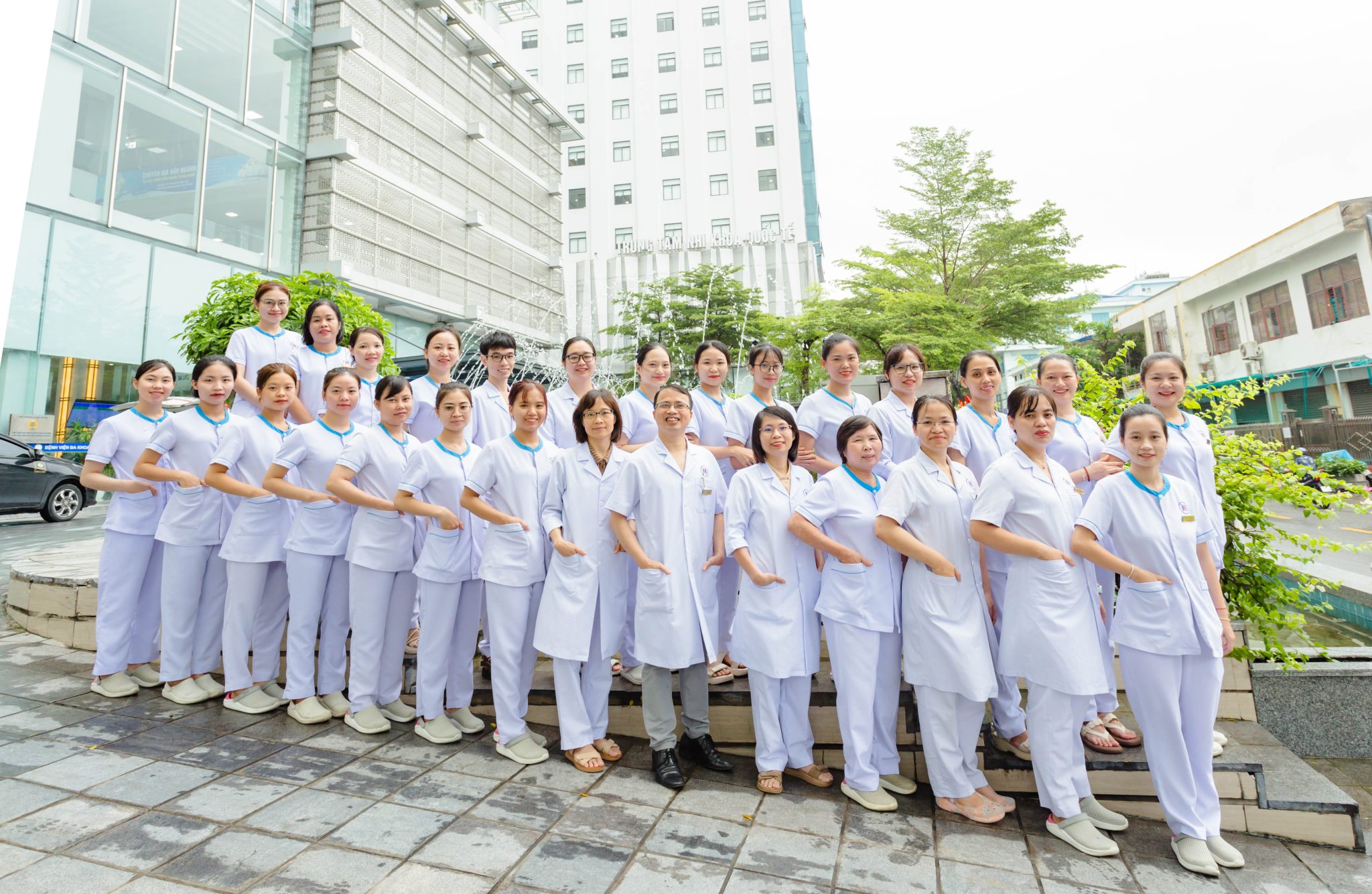
Department of Respiratory Medicine, Endocrinology and Tropical Diseases

Overview
The Department of General Internal Medicine 1 is one of the Hospital’s key clinical departments, providing comprehensive diagnosis and treatment of internal medicine conditions, including respiratory diseases, endocrine disorders, tropical diseases, and complex medical conditions involving multiple specialties.
To continuously improve the quality of diagnosis and treatment, the Department has implemented and continues to develop a wide range of advanced medical techniques, meeting the growing healthcare needs of patients.
Medical Team
The Department of General Internal Medicine 1 is staffed by a highly qualified, experienced, and dedicated team of healthcare professionals committed to providing the best possible care for patients. The Department is headed by MSc., Resident Physician Pham Dac The.
Most physicians in the Department hold postgraduate qualifications, including Master’s degrees, Resident Physician training, Level I Specialist Physician (Specialist I), and Level II Specialist Physician (Specialist II) certifications. Many have previously worked at leading healthcare institutions such as the National Hospital for Tropical Diseases and Bach Mai Hospital. Some physicians have also completed FFI training programs in France and clinical training placements in South Korea.
The nursing team consists of highly trained professionals holding college and university degrees in nursing. The team is led by Head Nurse Dang Thi Ngoan, who has more than 30 years of professional experience in healthcare services.

Activities
Respiratory Medicine
– Diagnosis and treatment of respiratory diseases, including pulmonary conditions such as community-acquired pneumonia, eosinophilic pneumonia, interstitial lung disease, pulmonary fungal infections, and pulmonary parasitic infections; as well as bronchial diseases including bronchial asthma and chronic obstructive pulmonary disease (COPD).
– Screening, early detection, and diagnosis of lung cancer, bronchial cancer, pleural malignancies, and mediastinal tumors using bronchoscopy, CT-guided lung biopsy, and pleural biopsy techniques.
– Diagnosis of sleep apnea through respiratory polygraphy, an advanced diagnostic technique that helps prevent sudden death, particularly in obese or overweight individuals, elderly patients, and those with multiple comorbidities.
– Pleural drainage procedures for the treatment of pneumothorax, empyema, malignant pleural effusion, and other pleural disorders.
– Pleurodesis for the management of pneumothorax in patients with multiple pulmonary bullae, prevention of recurrent pneumothorax, recurrent malignant pleural effusion, and chylothorax.
– Advanced specialized procedures, including:
– Bronchoscopy for the diagnosis of pulmonary and bronchial diseases and removal of airway foreign bodies.
– CT-guided transthoracic lung biopsy, pleural biopsy, and thoracoscopy for determining the causes of pleural effusions.
Endocrinology and Diabetes
– Diagnosis and treatment of endocrine and metabolic disorders, including diabetes mellitus, endocrine-related hypertension in young adults, and electrolyte imbalances.
– Classification and diagnosis of diabetes types in complex cases using advanced laboratory testing such as pancreatic islet cell antibodies and anti-glutamic acid decarboxylase (anti-GAD) antibodies.
– Oral glucose tolerance testing (OGTT) for early diagnosis of diabetes, particularly in high-risk individuals.
– Early detection of diabetic nephropathy through urinary microalbumin and creatinine testing.
– Diagnosis and management of gestational diabetes mellitus.
– Ultrasound-guided fine-needle aspiration (FNA) of the thyroid gland for early detection and diagnosis of thyroid cancer.
– Diagnosis and treatment of adrenal disorders, including adrenal insufficiency and adrenal tuberculosis, as well as pituitary gland disorders.
– Management and care of diabetic ulcers and skin infections associated with diabetes.
Infectious Diseases and Tropical Medicine
– Diagnosis and treatment of viral infectious diseases, including influenza, measles, rubella, dengue fever, mumps, chickenpox, and herpes zoster.
– Diagnosis and treatment of bacterial infections, including sepsis, respiratory infections, urinary tract infections, genital infections, cellulitis, soft tissue abscesses, bacterial liver abscesses, and parasitic liver infections such as liver fluke disease.
– Investigation and diagnosis of prolonged fever of unknown origin, including cases related to autoimmune diseases, hematologic malignancies, and multiple myeloma.
– Diagnosis and treatment of parasitic diseases, including helminth infections, strongyloidiasis, intestinal tapeworm infections, cerebral parasitic infections, and malaria.
– Diagnosis and treatment of gastrointestinal fungal infections and respiratory fungal diseases.
– Diagnosis and treatment of neurological infections, including bacterial meningitis, viral meningitis, encephalitis, and fungal meningitis.
– Diagnosis and treatment of infections associated with animal-related injuries, including cat-scratch disease, leptospirosis caused by rat bites, and rickettsial infections transmitted by mite bites.
– Diagnosis, management, and treatment of viral hepatitis.
– Lumbar puncture procedures for cerebrospinal fluid examination and therapeutic reduction of intracranial pressure.
International Collaboration
– The Department serves as a trusted training center that regularly welcomes international medical trainees from France, the United Kingdom, the United States, and South Korea.
– Physicians are regularly sent for advanced training and professional development programs in countries such as France and South Korea.
– Participation in multidisciplinary consultations and case discussions with international medical experts across various specialties.

Development Directions
In line with the continuous advancement of Internal Medicine both nationally and internationally, the Department is committed to ongoing professional development, enhancing expertise in diagnosis, treatment, and patient care. At the same time, the Department actively promotes comprehensive collaboration with leading medical experts throughout Vietnam and expands international partnerships through overseas training programs for staff and regular cooperation with international specialists across various medical fields.
With a strong commitment to professional excellence and the delivery of high-quality healthcare services, the Department of General Internal Medicine 1 will continue striving to improve the quality of medical examination and treatment, maximize patient satisfaction, and strengthen its position as a trusted healthcare destination chosen by patients throughout Hai Phong and beyond.
Experts