Patient Guide
By leveraging advanced information technology and implementing a streamlined outpatient care model, Hai Phong International General Hospital has significantly reduced waiting times and eliminated the need for traditional queuing during the examination process. This smart healthcare approach enables patients to complete registration, consultation, diagnostic testing, and payment procedures more efficiently, resulting in a faster, more convenient, and more comfortable healthcare experience.
Quy trình khám chữa bệnh thông minh
1
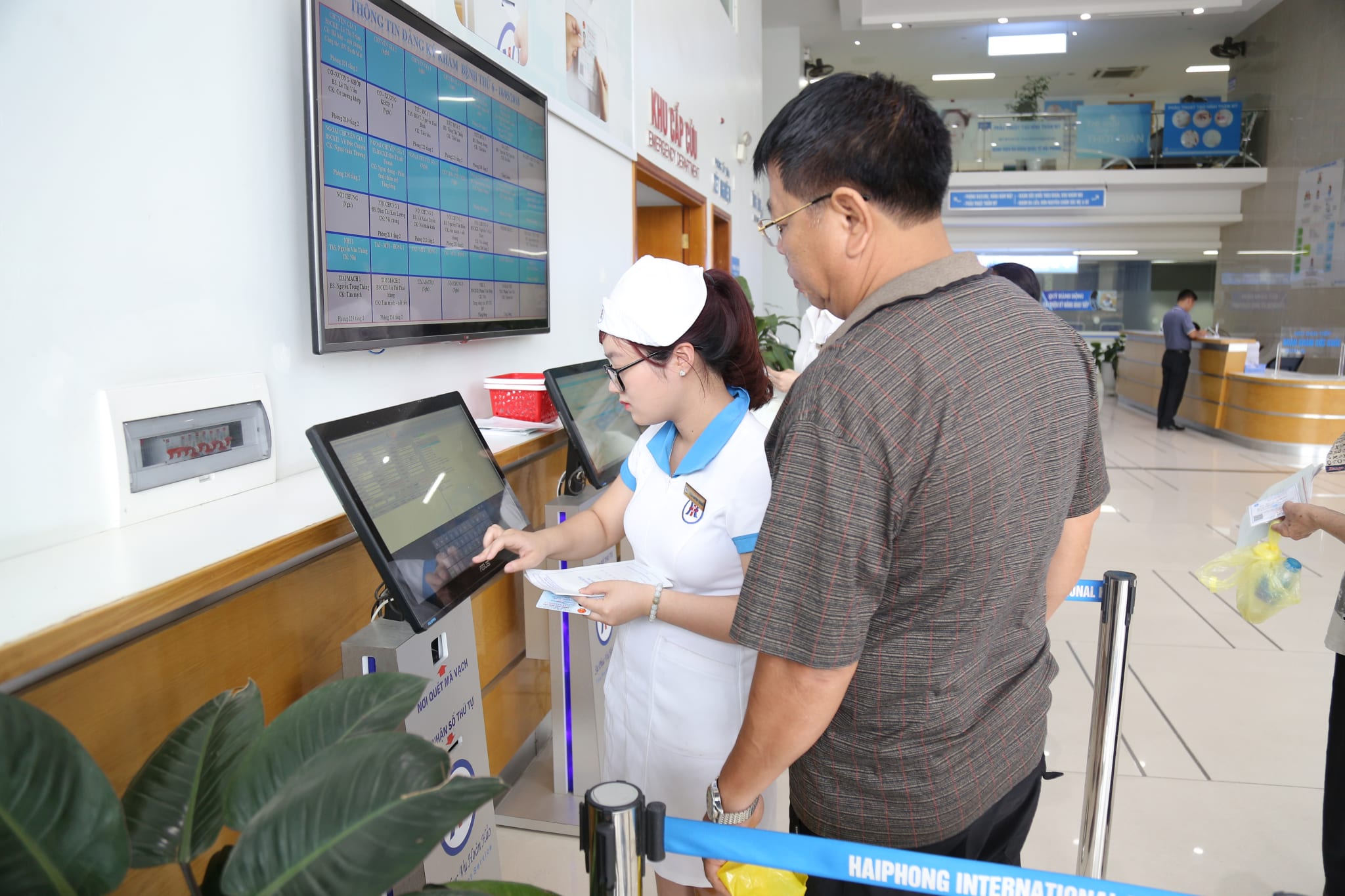
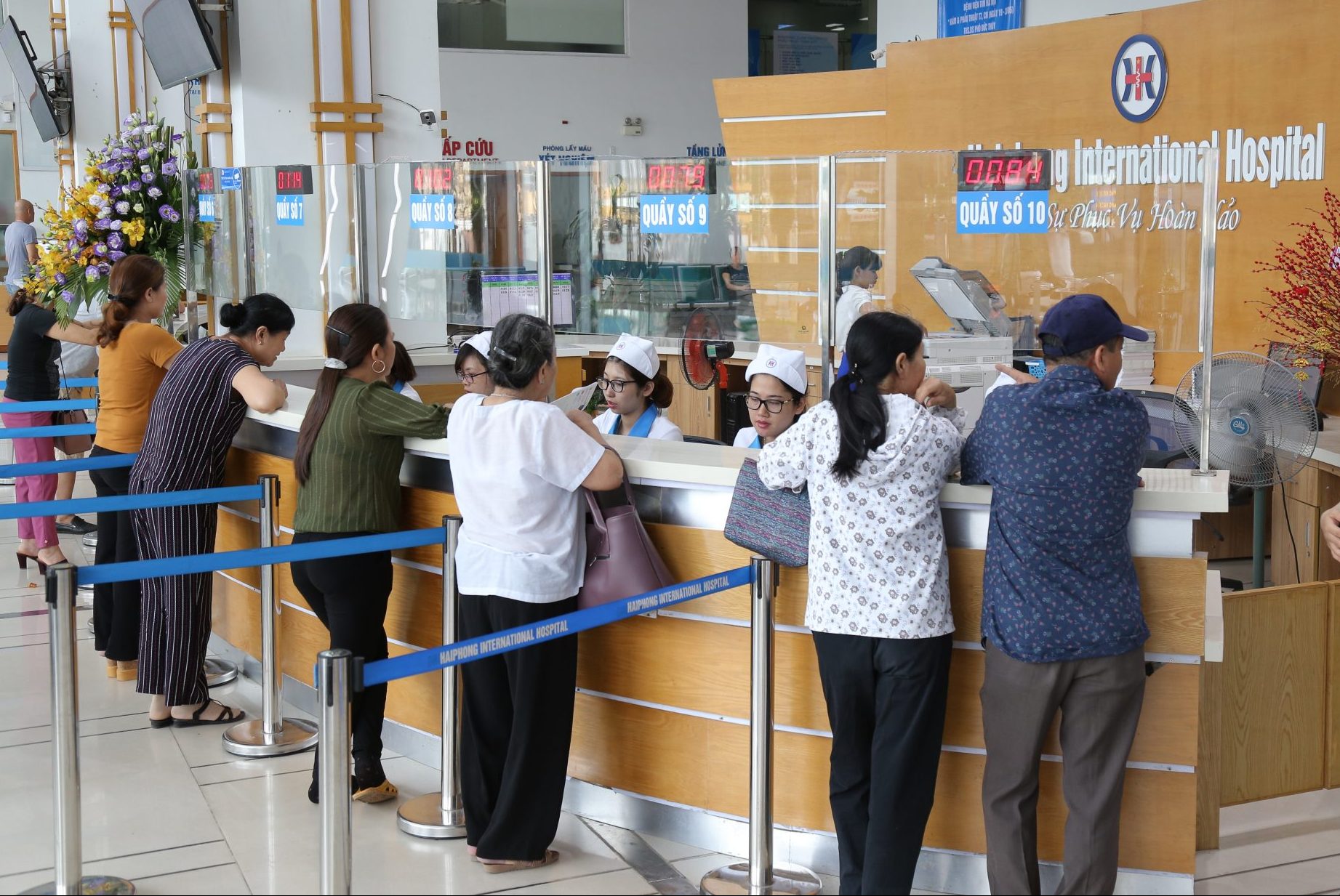
Upon arriving at the hospital, patients will be guided to obtain a queue number from the self-service ticketing kiosk. The automated queue management system helps streamline the registration process, reduce waiting times, and ensure an orderly patient flow throughout the outpatient examination journey.
2
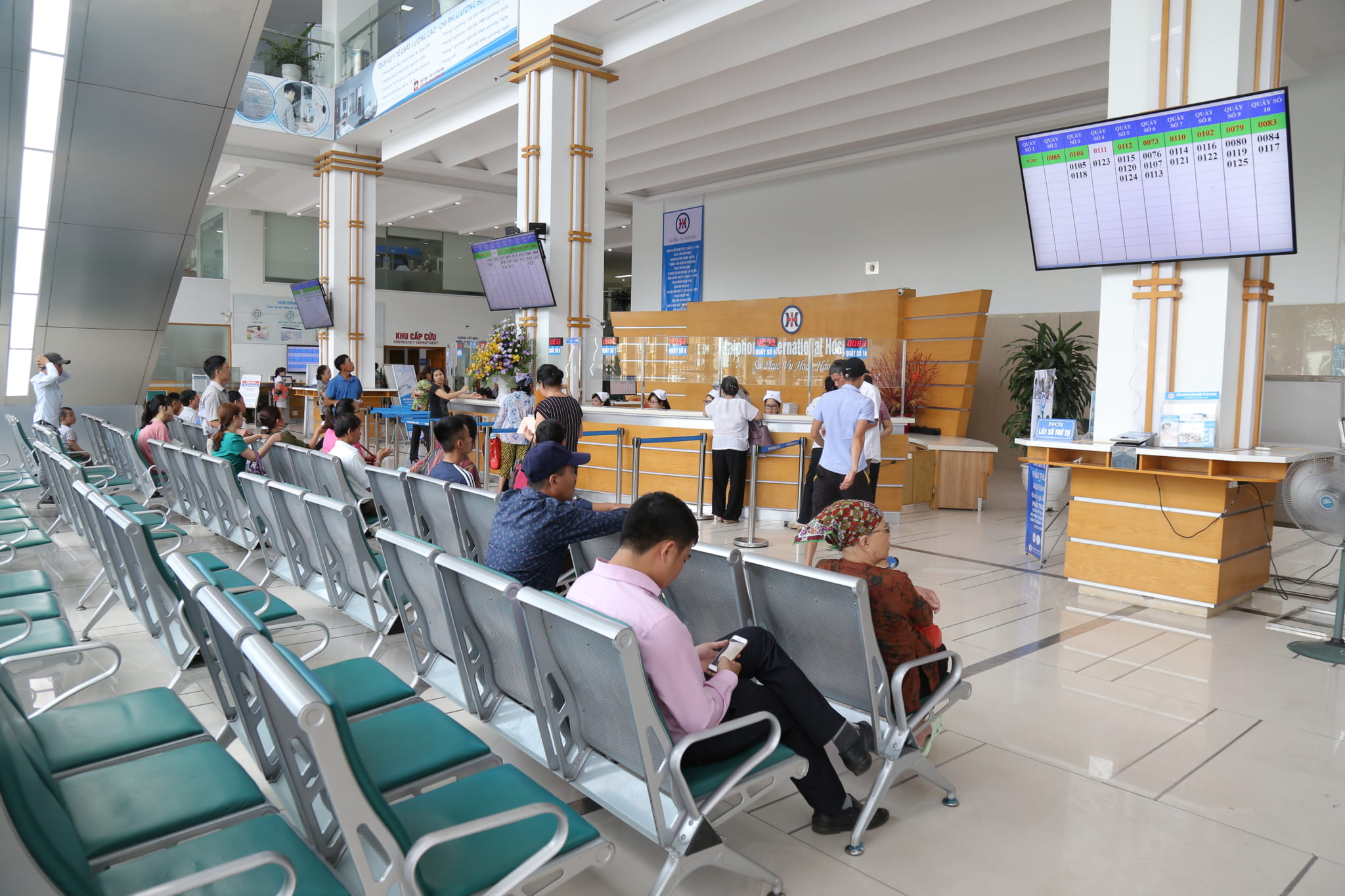
After obtaining a queue number, patients may proceed to the waiting area and remain seated until their turn is called. The queue management system announces queue numbers through both audio notifications and digital display screens, allowing patients to easily monitor their position in line.
When their number appears on the display and is announced, patients can proceed to the registration counter to complete the registration process quickly and efficiently.
3
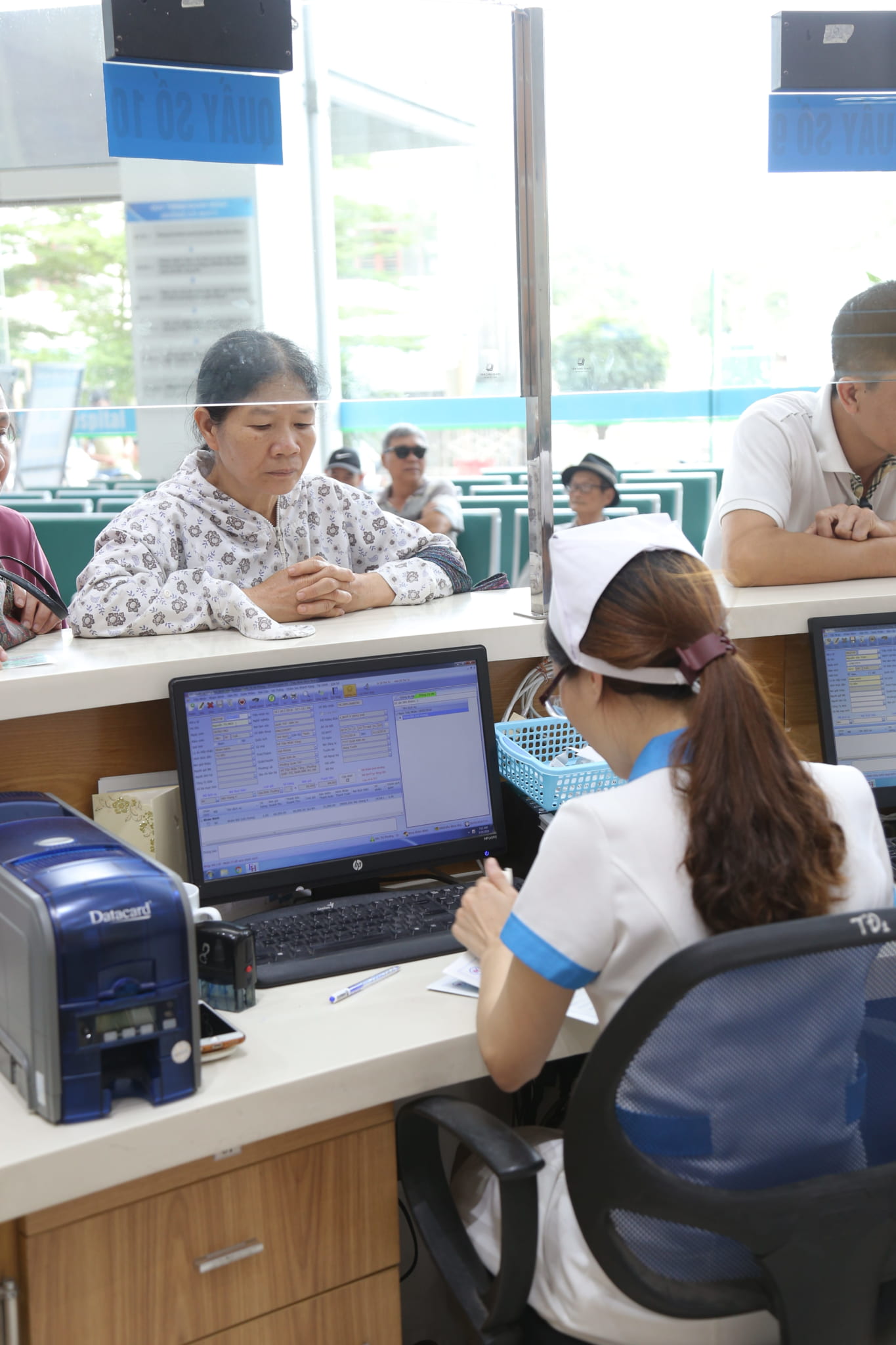
At the registration counter, patients will provide their personal information and complete the necessary registration procedures. Patients using health insurance are required to present their Health Insurance Card (BHYT) along with a valid identification document for verification and benefits eligibility.
4
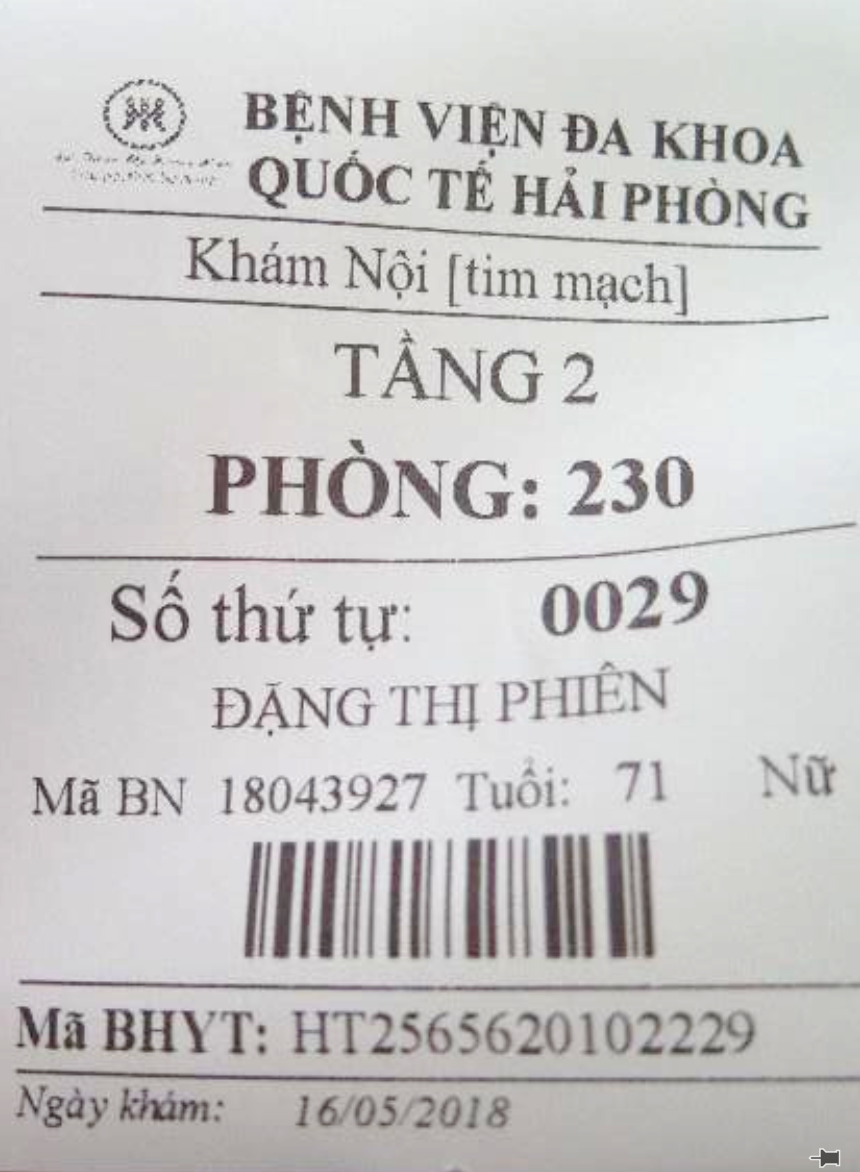
After completing the registration process, patients will receive a personal medical record booklet along with an examination slip indicating their queue number, consultation room, and relevant appointment information. Patients can then proceed to the designated waiting area and await their turn for consultation according to the information provided.
5
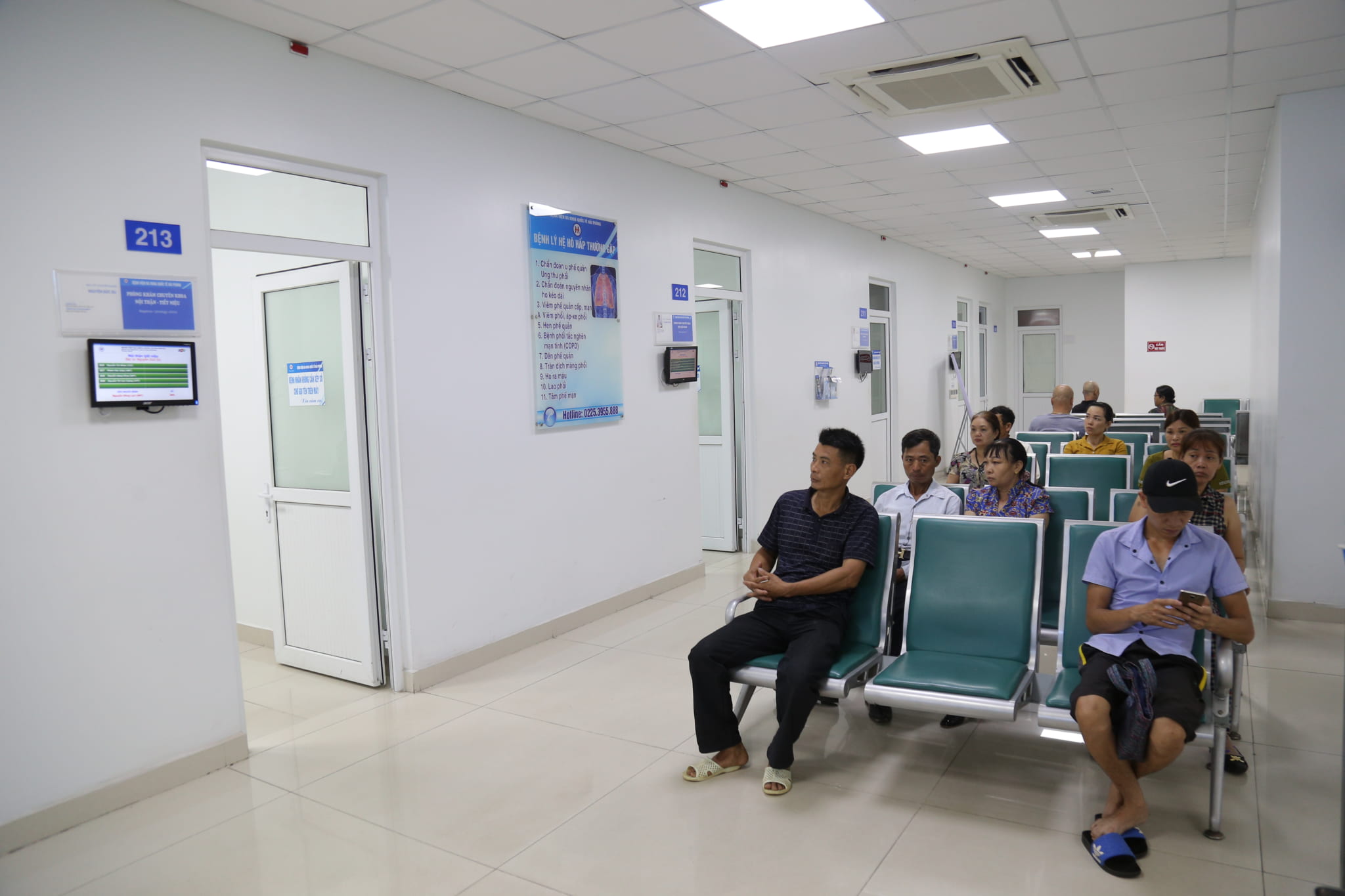
Patients should proceed to the consultation room indicated on the examination slip attached to their medical record booklet. They will then wait for their queue number to be called before entering the consultation room for examination and consultation with the physician.
6
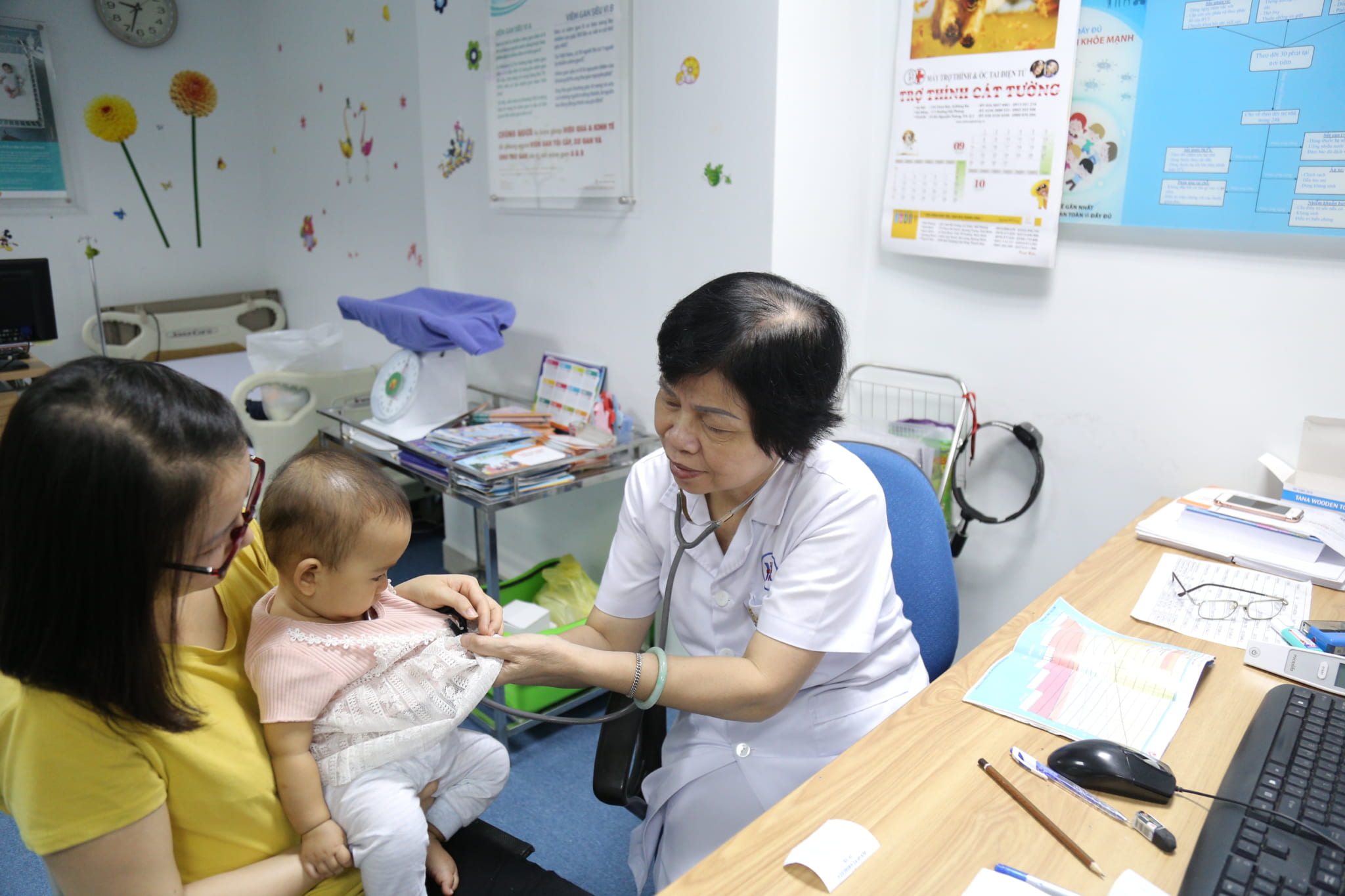
During the consultation, patients are encouraged to cooperate with physicians and nursing staff by providing accurate information about their symptoms, medical history, and current health condition. The physician will conduct a clinical examination, assess the patient’s condition, and, when necessary, order laboratory tests, diagnostic imaging, or other supporting investigations to aid in diagnosis and treatment planning.
7
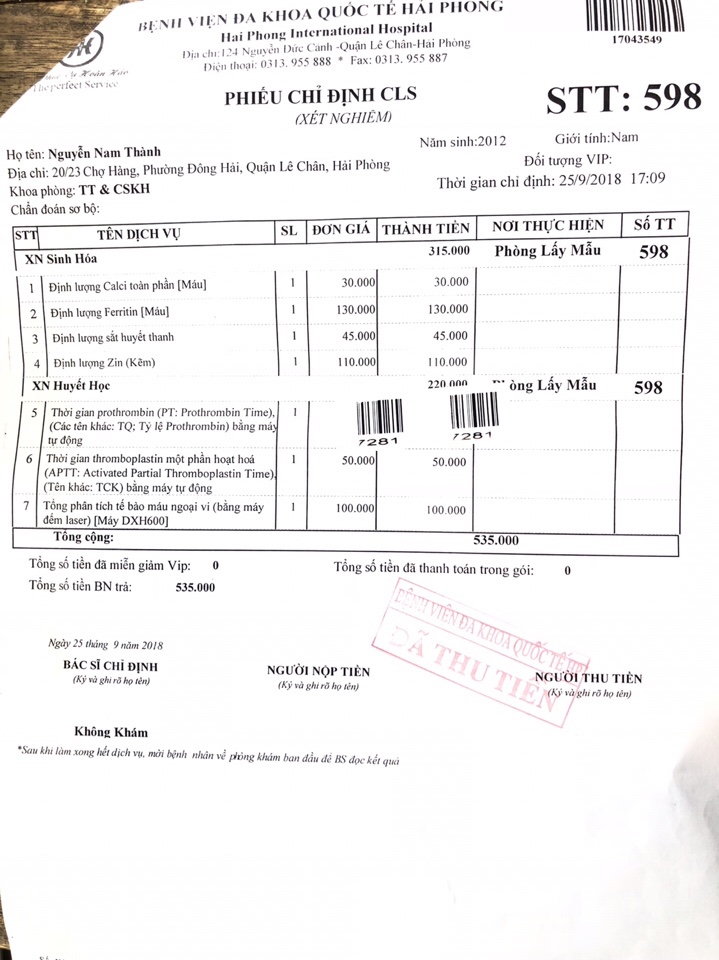
After receiving the physician’s orders, patients should take the examination request form to the cashier counter on the second floor to complete the payment procedure. Once payment has been processed, patients can proceed to the designated departments to undergo laboratory tests, diagnostic imaging, or other prescribed diagnostic procedures as indicated by the physician.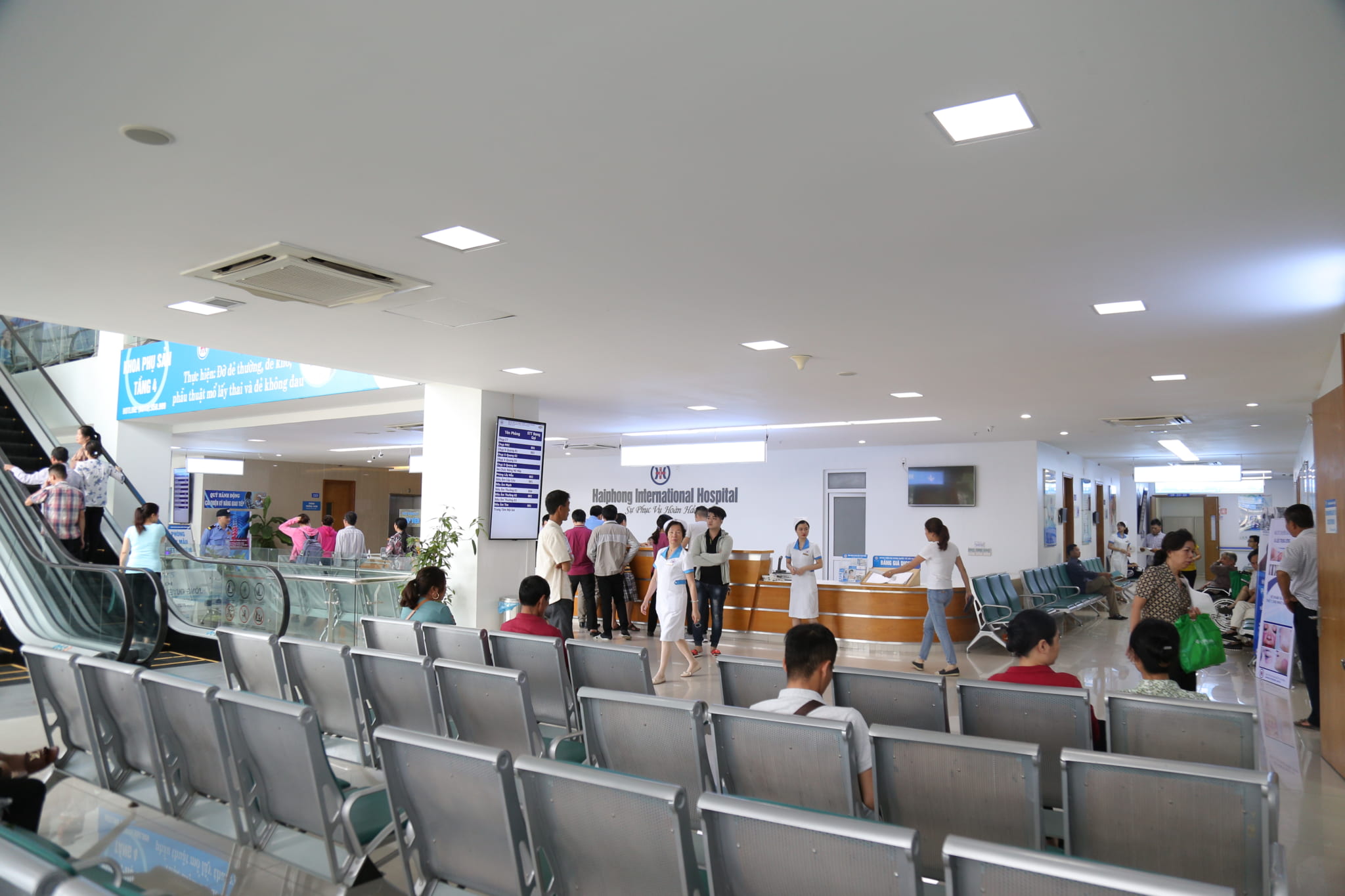


-
SMART HOSPITAL MODEL

-
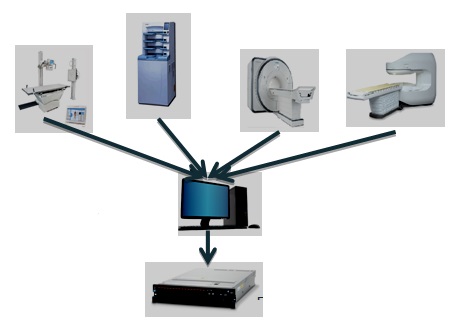
PACS (Picture Archiving and Communication System)

PACS (Picture Archiving and Communication System) is an advanced medical imaging storage and communication system designed to provide fast access to diagnostic images while offering a cost-effective solution for long-term data management.
BENEFITS OF PACS
– Eliminates the need for traditional film and paper-based image storage, significantly reducing costs as digital medical images can be stored efficiently on servers, computers, or CD/DVD media.
– Enables secure data transmission, supports telemedicine and remote diagnostics, and facilitates distance learning while maintaining strict data security and patient confidentiality.
– Integrates seamlessly with other healthcare information systems, including HIS (Hospital Information System), RIS (Radiology Information System), and EMR (Electronic Medical Record), creating a unified and efficient digital healthcare environment.
– Enhances workflow management within the Department of Diagnostic Imaging by organizing patient schedules, examination times, imaging procedures, test records, and appointment tracking, thereby improving operational efficiency and patient care.
-
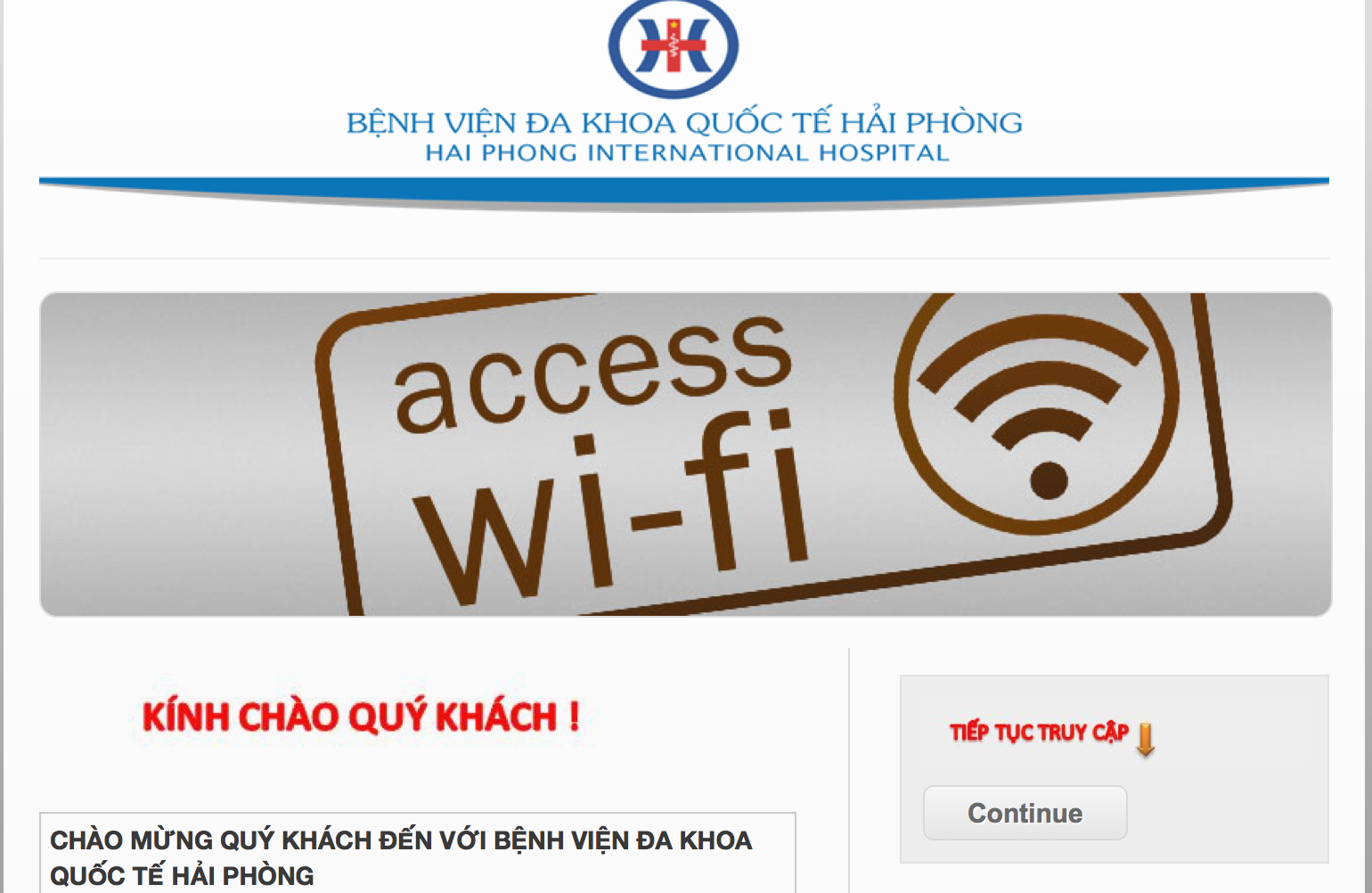
FREE HOSPITAL-WIDE WI-FI ACCESS

To enhance the patient experience, Hai Phong International General Hospital provides free Wi-Fi access throughout the entire hospital campus. Patients and visitors can conveniently connect to the internet from anywhere within the hospital premises at no cost.
In addition, the Wi-Fi system is integrated with a customer feedback platform, allowing patients and visitors to easily share their comments, suggestions, and service evaluations. Every piece of feedback is carefully reviewed and valued by the hospital as part of our ongoing commitment to improving service quality and delivering the highest standard of patient care.
-
HOME SAMPLE COLLECTION SERVICES

Overcrowding at hospitals and clinics has made it common for patients to fast early in the morning for laboratory tests and then wait until later in the day to receive their results. The long waiting times can be exhausting, causing additional discomfort and inconvenience for patients.
Understanding the community’s growing demand for convenient and accessible healthcare services, Hai Phong International General Hospital is proud to be a pioneer in Hai Phong in offering home sample collection and home delivery of test results. This service allows patients to receive professional laboratory testing support in the comfort of their own homes, saving time, reducing travel, and enhancing overall healthcare convenience.
-
SMART AUTOMATED QUEUE MANAGEMENT SYSTEM

The Smart Automated Queue Management System represents a significant advancement in enhancing the quality of healthcare services. It helps eliminate overcrowding at registration counters, reduces waiting times, and streamlines the patient journey.
Patients simply select their service and obtain a queue number from the automated kiosk, then wait comfortably until their number is called. Once called, they can proceed directly to the registration counter or designated specialty clinic, ensuring a faster, more convenient, and more organized healthcare experience.
-
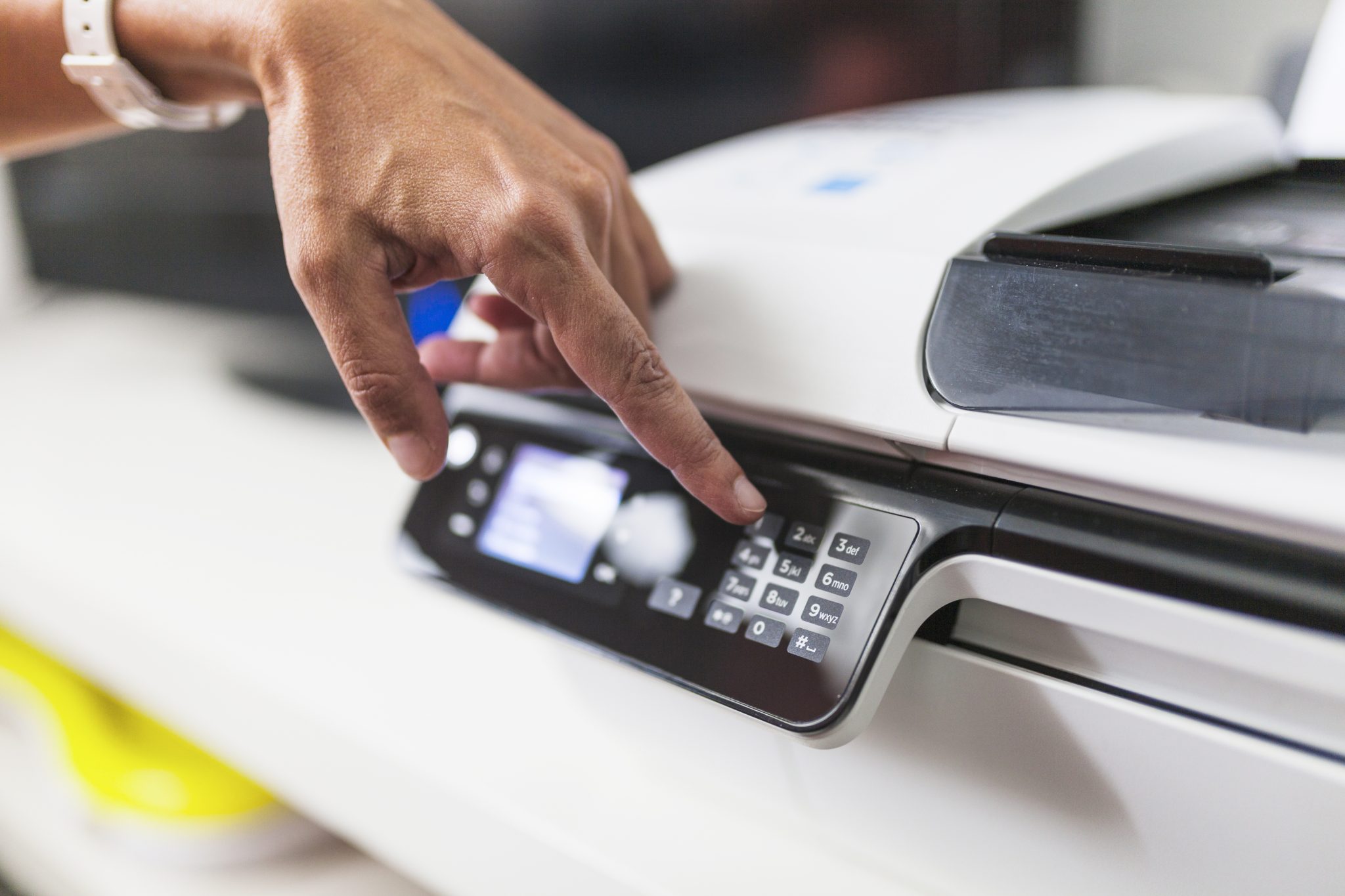
Automated prescription printing system
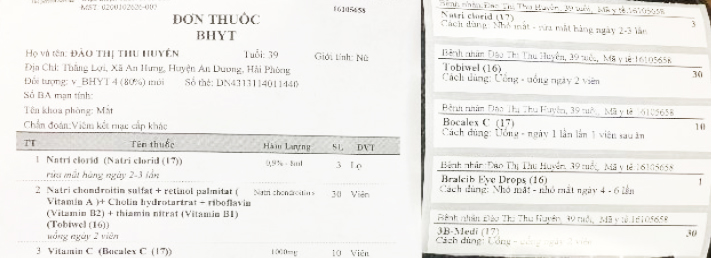
With the automated prescription printing system, patients no longer have to worry about deciphering handwritten prescriptions. Physicians enter medication orders directly into the system, and the prescription information is electronically transmitted to the Pharmacy Department.
The prescription is then printed clearly and accurately, attached directly to the medication, and provided to the patient. This process helps improve accuracy, enhances patient safety, and ensures that medication instructions are easy to understand and follow.


8
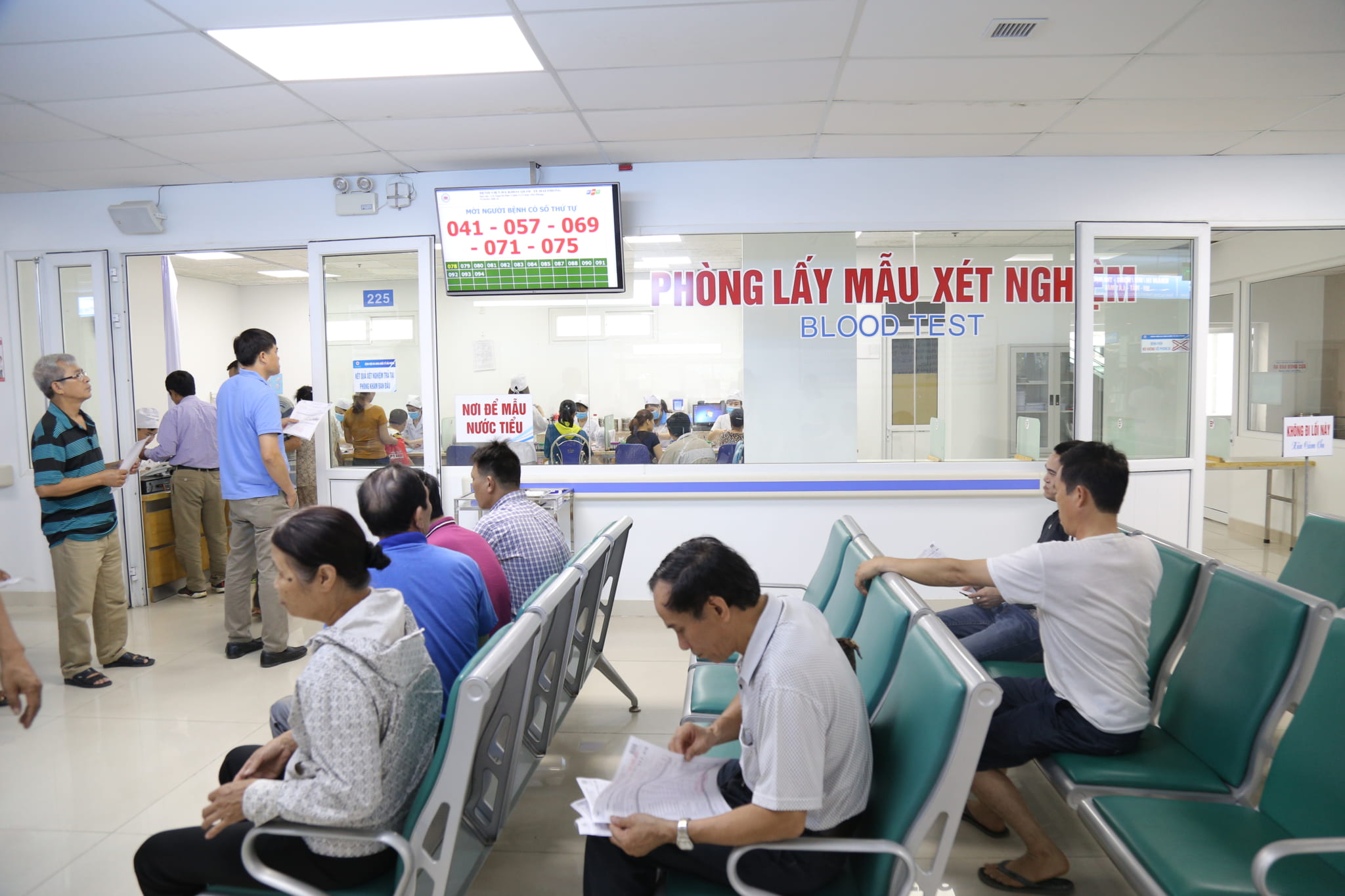
Patients who require specimen collection for laboratory testing should wait in the designated seating area outside the sample collection unit on the second floor. When their queue number, as indicated on the test request form, is called by the automated queue management system, patients should proceed to the collection room and follow the instructions provided by the nursing staff.
9
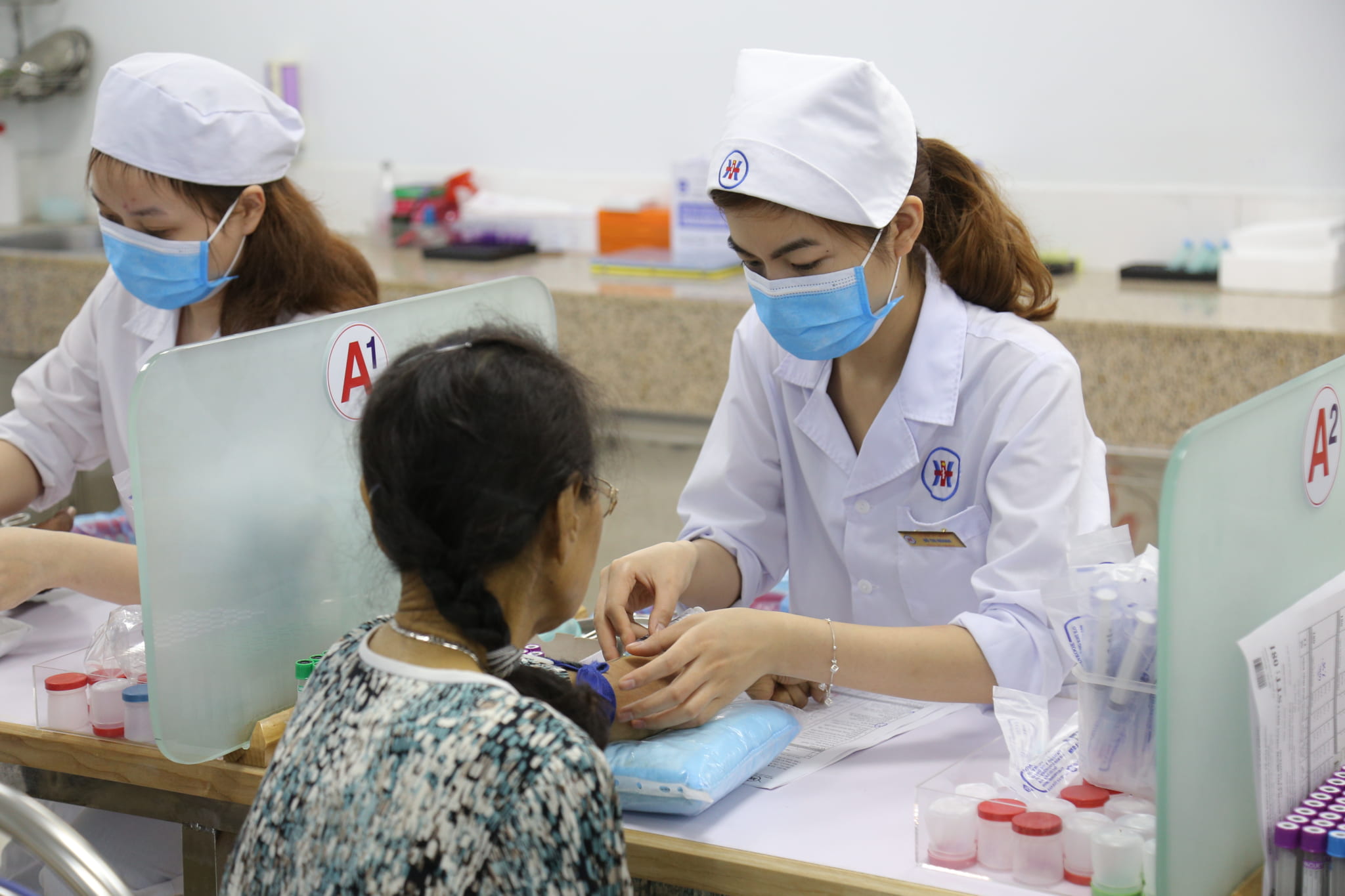
Each patient is assigned a unique barcode that is attached to the specimen collection tube. The barcode scanning system automatically records the patient’s information and the physician’s test orders, transmitting the data directly to the laboratory information system. This process helps ensure accurate specimen identification and minimizes the risk of sample mix-ups.
After specimen collection, the nursing staff sends the samples to the Department of Laboratory Medicine through the hospital’s automated pneumatic tube transport system. Once testing is completed, the results are electronically delivered back to the physician’s consultation room, significantly reducing waiting times and enabling a faster, more efficient patient experience.
8
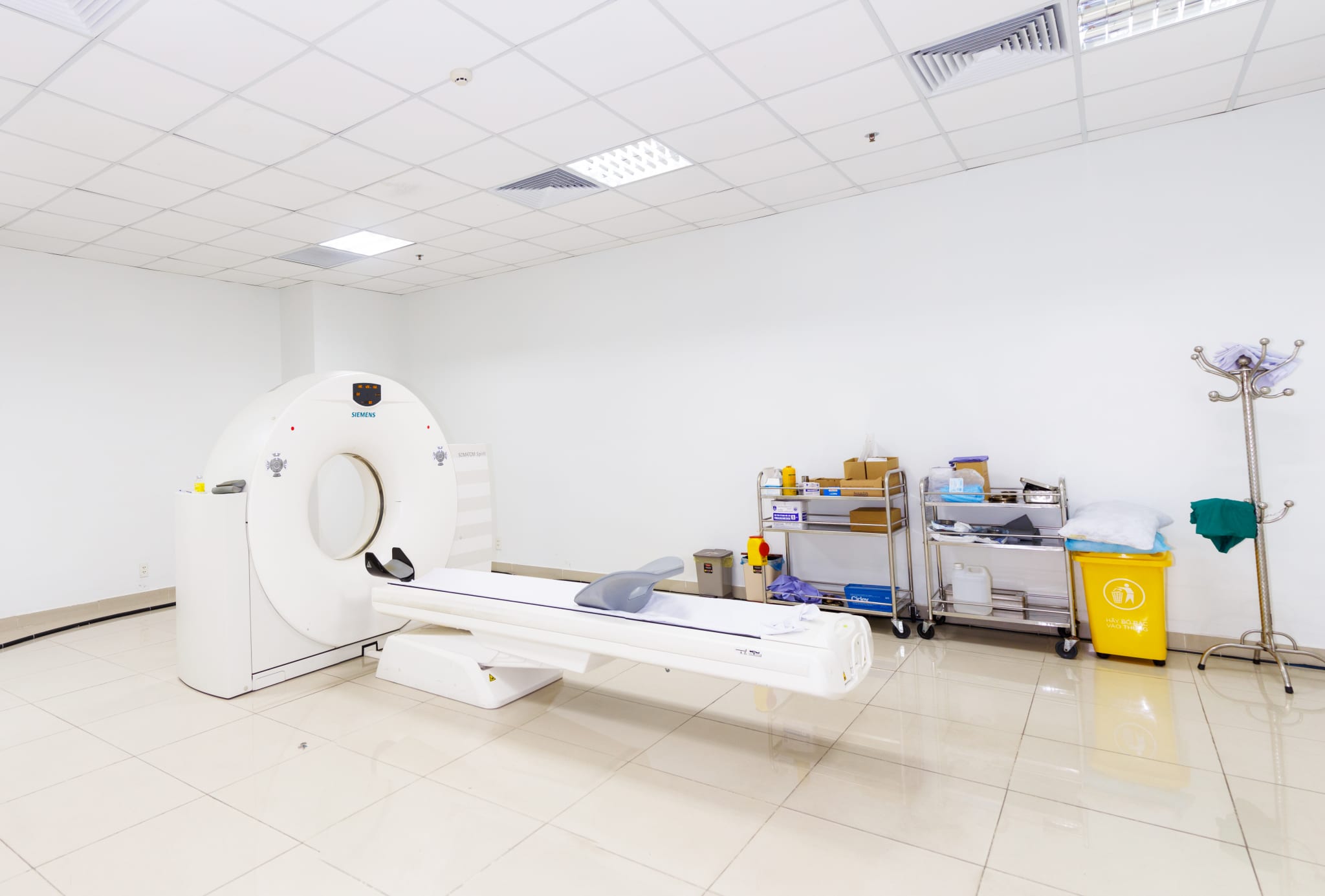
Patients who require diagnostic procedures such as X-ray, CT scan, MRI, ultrasound, or endoscopy will be directed to the hospital’s third floor. Upon arrival, they will be welcomed by nursing staff and guided to the appropriate areas for their diagnostic and imaging examinations.
9
The PACS
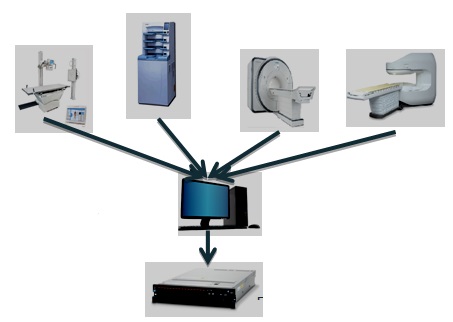
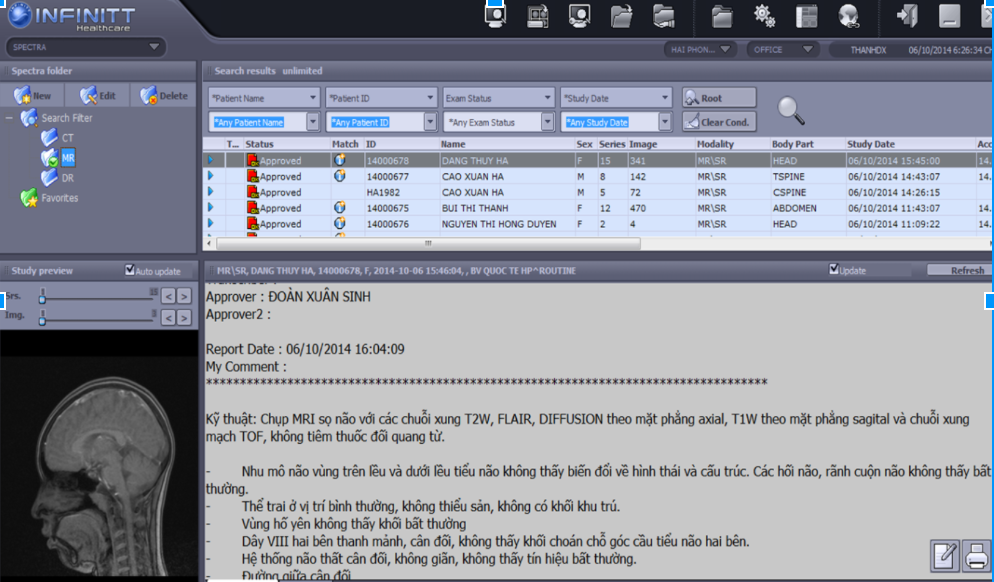
The hospital utilizes a PACS (Picture Archiving and Communication System), which enables the digital storage of all diagnostic imaging data, including X-rays, CT scans, MRI scans, and other imaging studies. This system not only allows physicians and patients to conveniently access medical images through smart devices but also helps reduce the costs associated with printing imaging films each month.
All images are stored in a digital format and can be accessed through the hospital network. Physicians can review imaging results from consultation rooms, inpatient departments, or previous examinations without requiring patients to bring their old films to the hospital.
10
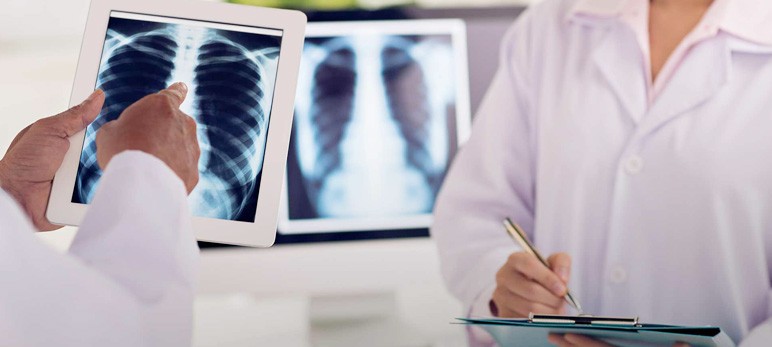
Once diagnostic imaging or laboratory test results are available, patients return to their initial consultation room, where physicians will review the findings, determine the appropriate treatment plan, and prescribe medications as needed.
11
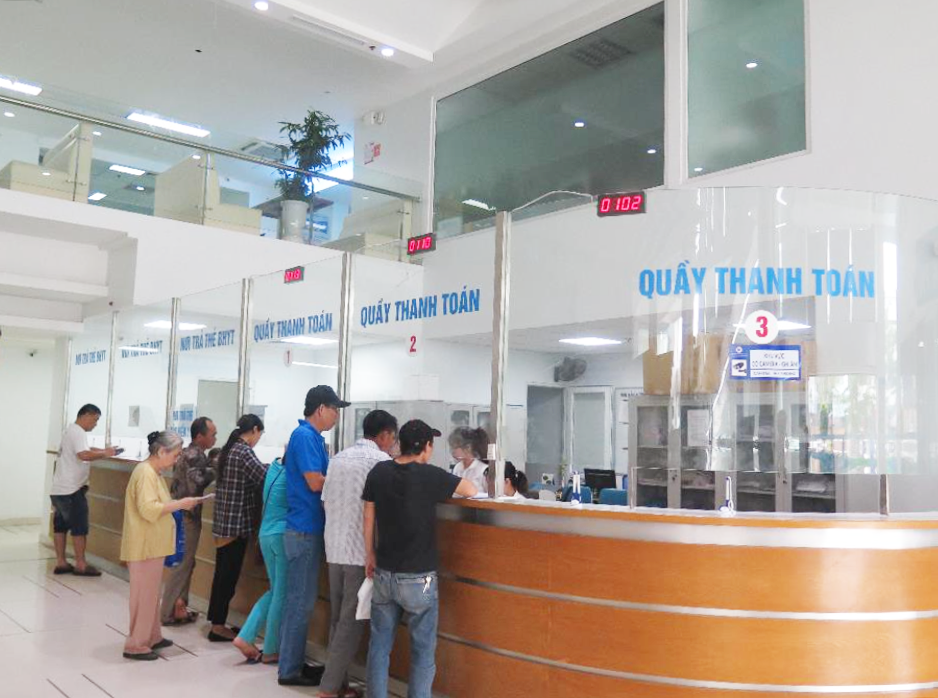
Patients then proceed to the payment counter on the first floor to receive their health insurance statement and collect their patient card, if they are using health insurance services.
12
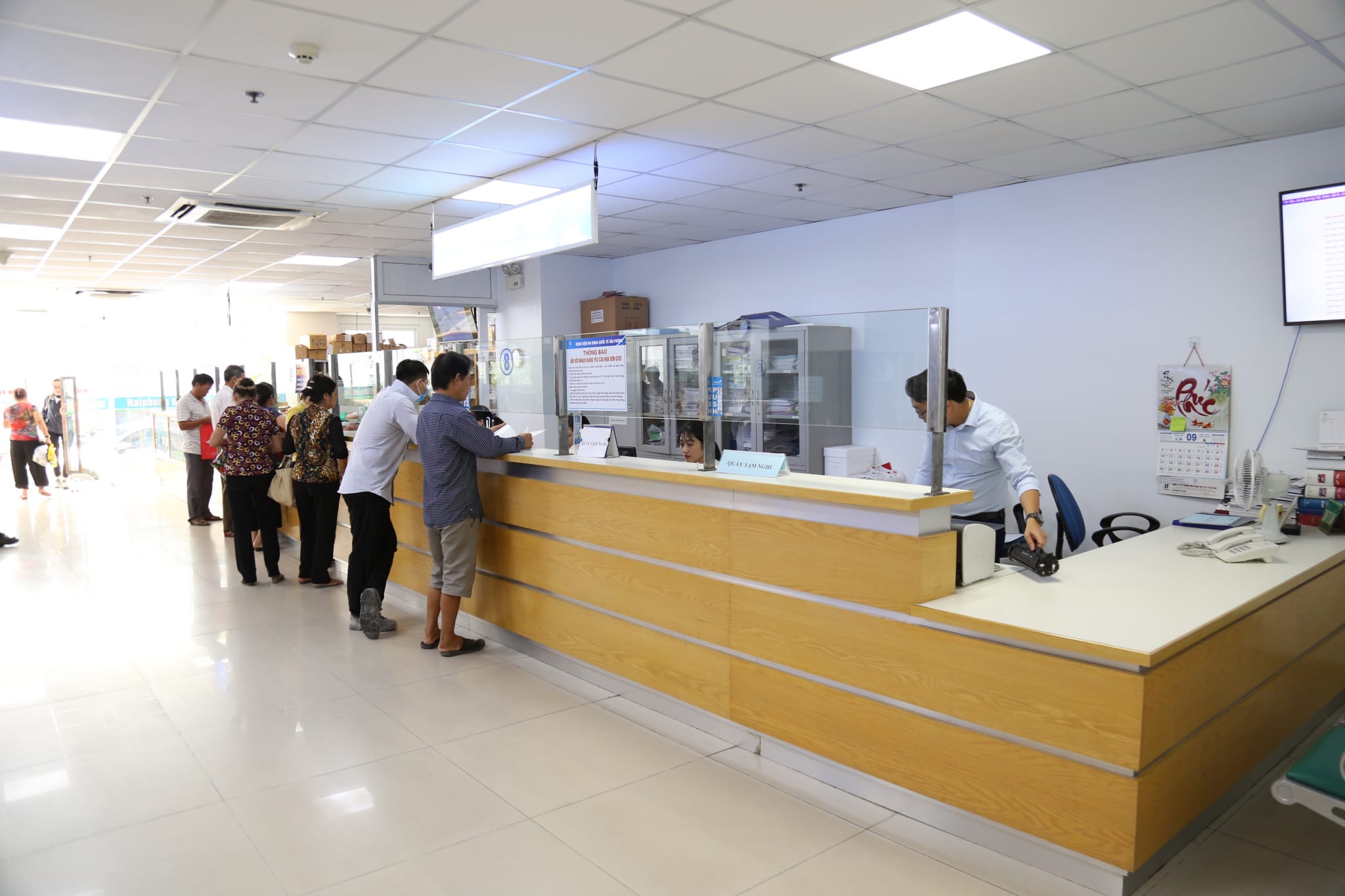
Patients then proceed to the hospital pharmacy to receive health insurance-covered medications (if applicable) and purchase any prescribed medications. The hospital’s smart software system automatically transfers electronic prescriptions from the physician’s consultation room to the pharmacy’s computer system.
Pharmacists prepare the medications according to the prescription and attach detailed usage instructions to each medication, helping patients take their medicines safely and correctly.
13
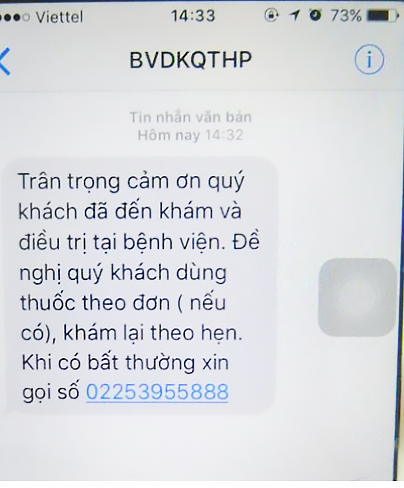
The hospital information system securely stores patients’ personal information and medical history for future consultations and treatment. The system also sends reminder messages and follow-up instructions, helping patients keep track of scheduled appointments and return visits.
14
For follow-up visits, patients do not have to spend much time waiting. They simply need to bring their medical record booklet containing the previous visit slip, along with their health insurance card and identification documents (for health insurance patients), and register at the automated registration kiosk before proceeding to the consultation room.