
Department of Urology and Andrology Surgery

Overview
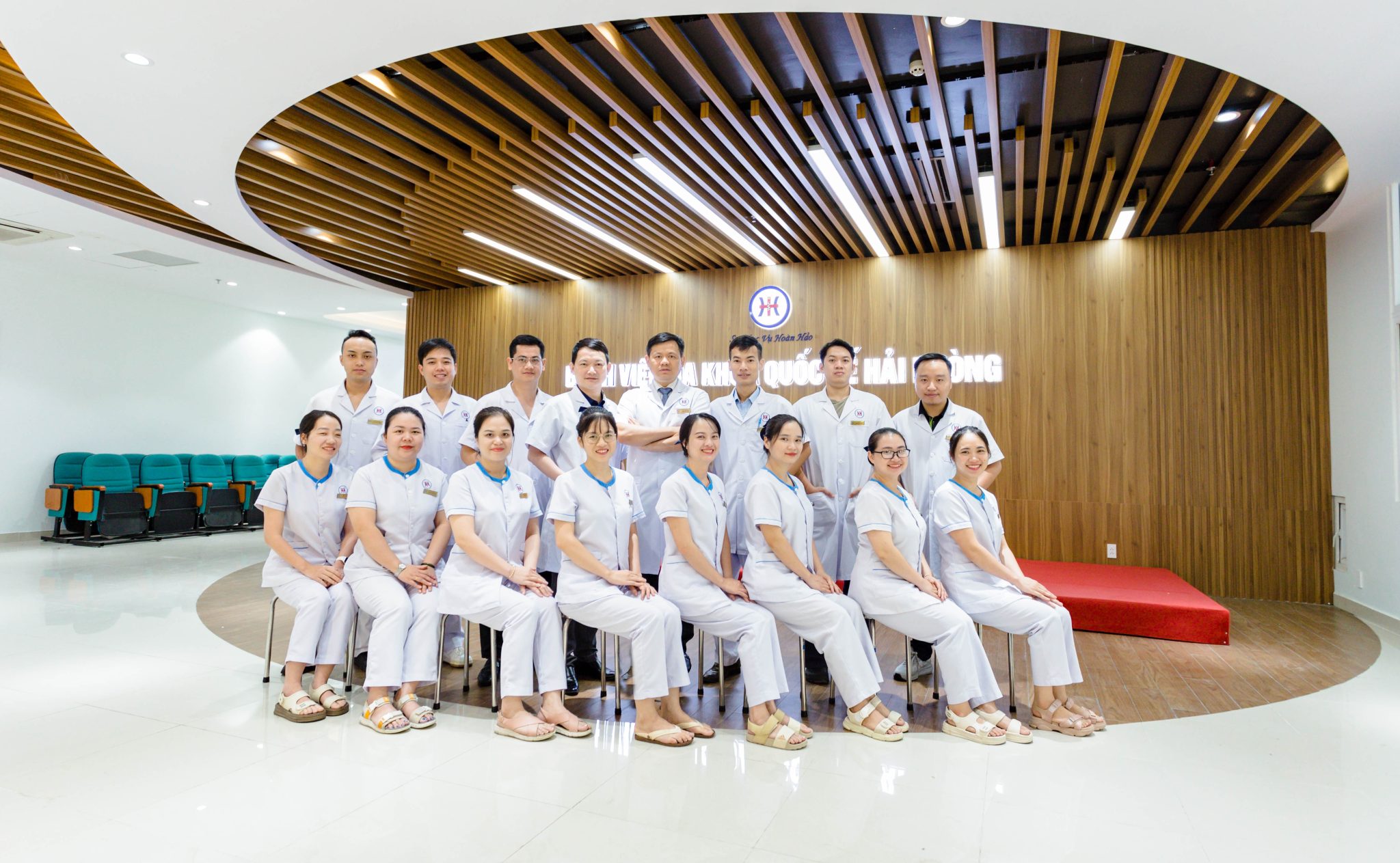
The Department of Urology and Andrology Surgery at Hai Phong International General Hospital is located on the 8th Floor of the Hospital’s 23-story building. The Department consists of 16 staff members, including 5 physicians and 11 nurses holding university and college degrees. It provides comprehensive consultation, examination, diagnosis, and treatment services for both common and complex conditions in the fields of Urology and Andrology. The Department continuously updates modern clinical protocols and treatment approaches to ensure effective and safe healthcare services for patients.
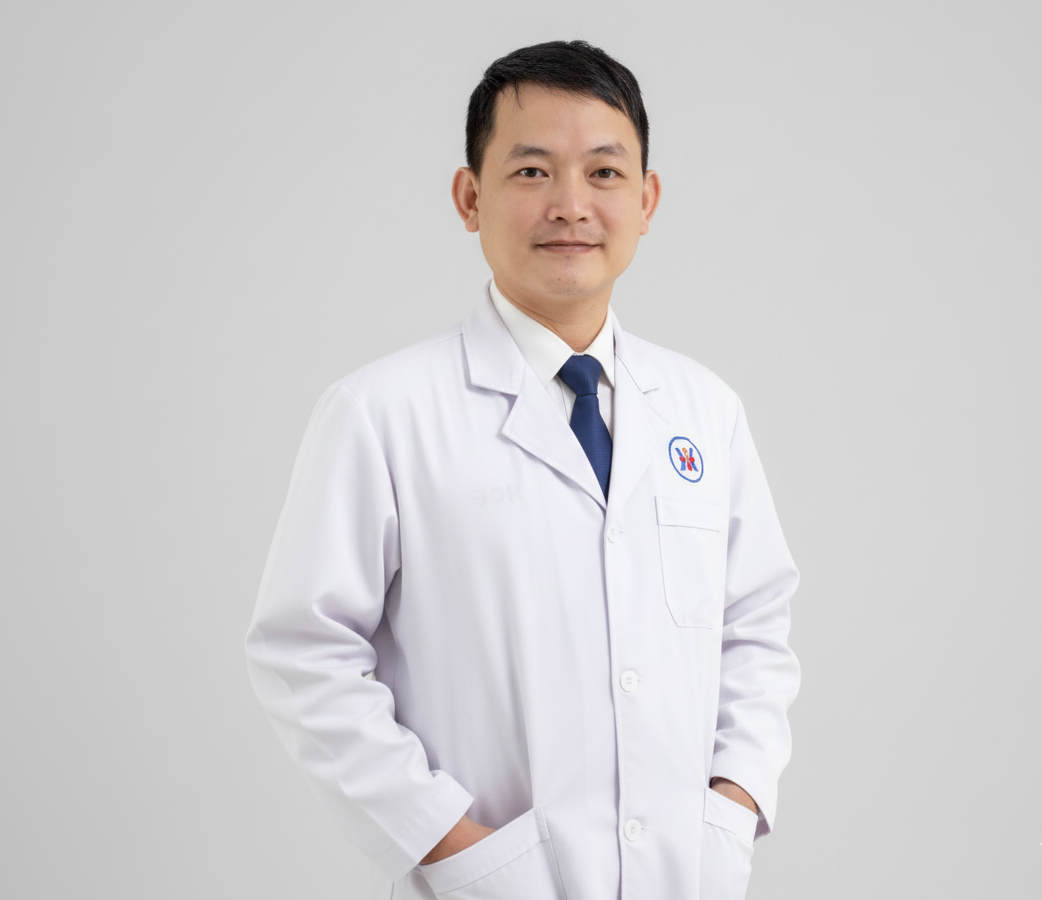
The Department is led by Dr. Pham Viet Ha, MD, PhD, Resident Physician, Director of Surgical Services at Hai Phong International General Hospital and Head of the Department of Urology and Andrology Surgery. Dr. Pham Viet Ha is a leading expert in urological surgery, andrology, and abdominal surgery. He worked in the Department of Surgery at Bach Mai Hospital, Hanoi, for 14 years (2003–2017) and previously served as Head of the Department of Urological and Andrological Surgery at E Hospital, Hanoi (2017–2020). The Department is further supported by a team of experienced and highly skilled healthcare professionals who maintain close professional collaboration with specialists from leading national referral hospitals such as Viet Duc University Hospital and Bach Mai Hospital, ensuring optimal treatment outcomes for patients.
The Department of Urology and Andrology Surgery provides consultation, diagnosis, and treatment services for the following conditions:
Andrology
– Diagnosis and treatment of sexually transmitted infections (STIs), including syphilis, genital warts, genital herpes, acute and chronic urethritis, and urethral discharge caused by gonorrhea, chlamydia, and trichomoniasis.
– Diagnosis and treatment of phimosis, redundant foreskin, balanitis, penile deformities and curvature, penile cancer, penile injuries and trauma, penile fracture, hypospadias, and epispadias.
– Management of erectile dysfunction, including decreased libido, inability to achieve or maintain erection, impotence, priapism, male menopause (andropause), and age-related sexual dysfunction.
– Treatment of ejaculatory disorders, including premature ejaculation, delayed ejaculation, anejaculation, painful ejaculation, and hematospermia.
– Diagnosis and treatment of male infertility, including azoospermia, oligospermia, asthenozoospermia, sperm morphology abnormalities, and delayed puberty.
– Treatment of gynecomastia in men.
– Treatment of varicocele using laparoscopic surgery and microsurgical varicocelectomy.
– Diagnosis and treatment of testicular disorders, including acute and chronic testicular pain, orchitis, epididymitis, testicular torsion, testicular tumors, testicular cancer, undescended testis, epididymal cysts, paratesticular cysts, hydrocele, unilateral or bilateral absent testes in the scrotum, inguinal hernia, testicular trauma, and scrotal lesions.
– Diagnosis and treatment of seminal vesiculitis.
– Male sterilization through vasectomy.
Urology
Patients experiencing symptoms such as dull or severe pain in the lower back, flank, or lower abdomen, painful urination, urinary frequency, hematuria, cloudy urine, or other urinary disturbances are advised to seek consultation and treatment for urological conditions, including:
– Urinary stone disease, including kidney stones, ureteral stones, bladder stones, and urethral stones.
– Kidney disorders, including hydronephrosis, pyonephrosis, tumors of the renal collecting system, kidney cancer, renal cysts, renal angiomyolipoma, pyelonephritis, perinephric infections, and renal trauma or injuries.
– Ureteral disorders, including ureteral strictures, congenital ureteral abnormalities such as megaureter, ureteropelvic junction obstruction, duplicated ureter, ureterovesical junction obstruction, retrocaval ureter, ureteral tumors, and ureteral injuries.
– Bladder disorders, including acute and chronic cystitis, benign and malignant bladder tumors, bladder diverticula, cystocele, overactive bladder, contracted bladder, bladder trauma, intraperitoneal and extraperitoneal bladder rupture, vesicovaginal fistula, and neurogenic bladder.
– Prostate disorders, including benign prostatic hyperplasia (BPH), prostate cancer, prostatitis, prostatic abscess, prostatic calculi, prostatic cysts, and post-transurethral resection urinary leakage.
– Urethral disorders, including bladder neck sclerosis, bladder neck contracture, urethral stricture, anterior and posterior urethral injuries, urethral trauma, and acute or chronic urethritis.
– Chyluria.
– Stress urinary incontinence in women.
– Retroperitoneal disorders, including retroperitoneal tumors and retroperitoneal fibrosis.

Services
The Department of Urology and Andrology Surgery provides consultation, diagnosis, and treatment services, including:
– Minimally invasive treatment of urinary stones:
+ Retrograde ureteroscopic laser lithotripsy
+ Flexible ureteroscopic laser lithotripsy for kidney stones
+ Mini-percutaneous nephrolithotomy (Mini-PCNL) with laser lithotripsy
+ Laser lithotripsy for bladder and urethral stones
+ Laparoscopic or retroperitoneoscopic removal of ureteral and renal pelvic stones
– Treatment of benign prostatic hyperplasia (BPH) using various techniques, including transurethral resection of the prostate (TURP), laser prostate vaporization, open prostatectomy, and radical prostatectomy performed either laparoscopically or through open surgery.
– Endoscopic resection of bladder tumors, partial cystectomy, radical cystectomy with urinary diversion or neobladder reconstruction (including Studer, Abol-Enein, and Bricker procedures), and surgical excision of bladder diverticula.
– Laparoscopic or open nephrectomy for benign and malignant non-functioning kidney diseases, laparoscopic renal cyst decortication, and excision of benign renal tumors.
– Ureteral reconstruction and ureteroplasty for the treatment of ureteral abnormalities and strictures.
– Urethroplasty, endoscopic internal urethrotomy, and endoscopic ureteral incision procedures.
– Laparoscopic or microsurgical varicocelectomy.
– Laparoscopic inguinal hernia repair.
– Surgical management of undescended testes, including laparoscopic orchiectomy for intra-abdominal testes and implantation of testicular prostheses when indicated.
– Penile reconstructive surgery for congenital and acquired penile deformities.
– Treatment of erectile dysfunction using low-intensity shockwave therapy and penile prosthesis implantation.
– TOT (Trans-Obturator Tape) and TVT (Tension-Free Vaginal Tape) procedures for the treatment of urinary incontinence.
– Surgical treatment of chyluria.
– Surgical management of urinary fistulas, including vesicovaginal fistulas, bladder fistulas, and postoperative ureteral fistulas.
– Emergency urological procedures, including:
+ Placement and removal of ureteral stents (Double-J stents)
+ Trocar-guided suprapubic cystostomy
+ Emergency nephrostomy drainage
+ Emergency ureteroscopic lithotripsy
+ Management of penile trauma, penile fracture, testicular injuries, urethral contusions and disruptions, renal trauma, bladder rupture, and bladder clot retention.