Customers
By leveraging advanced information technology, Hai Phong International General Hospital has implemented a queue-free outpatient care model, significantly reducing waiting times and improving the overall patient experience.
Quy trình khám chữa bệnh thông minh
1
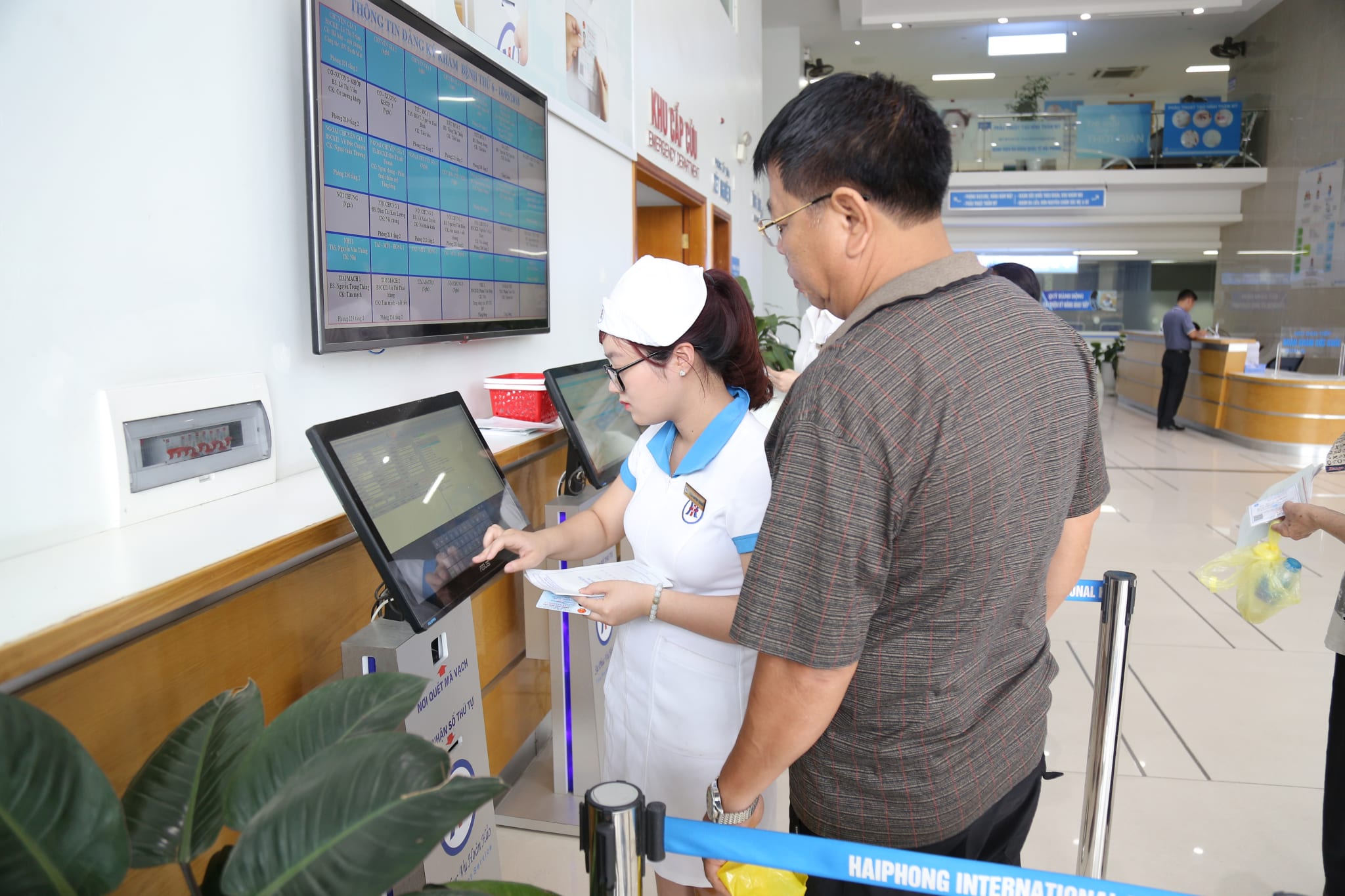
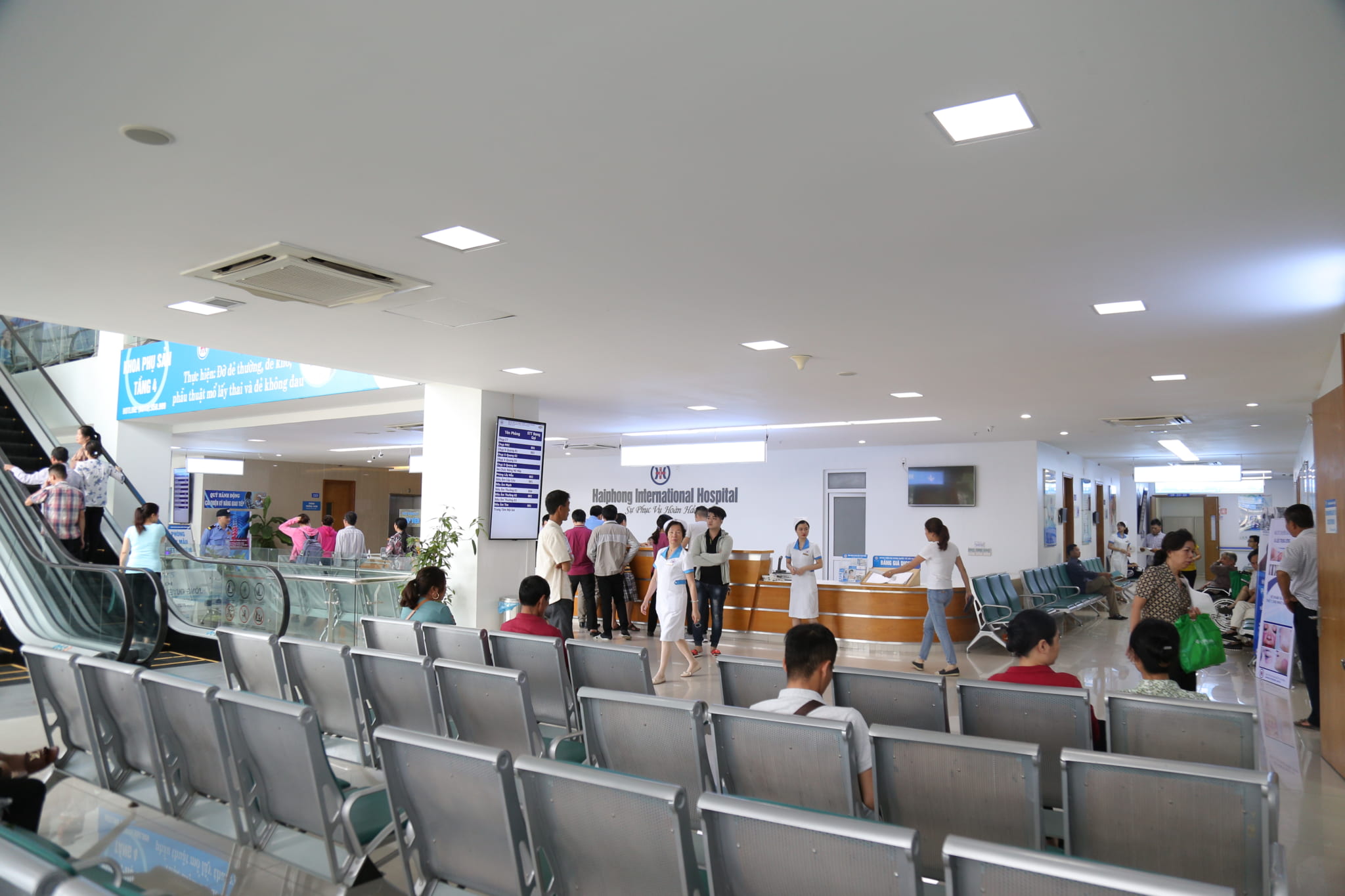
Upon arrival at the hospital for medical consultation or treatment, patients will be guided to obtain a queue number through the hospital’s automated ticketing system.
2
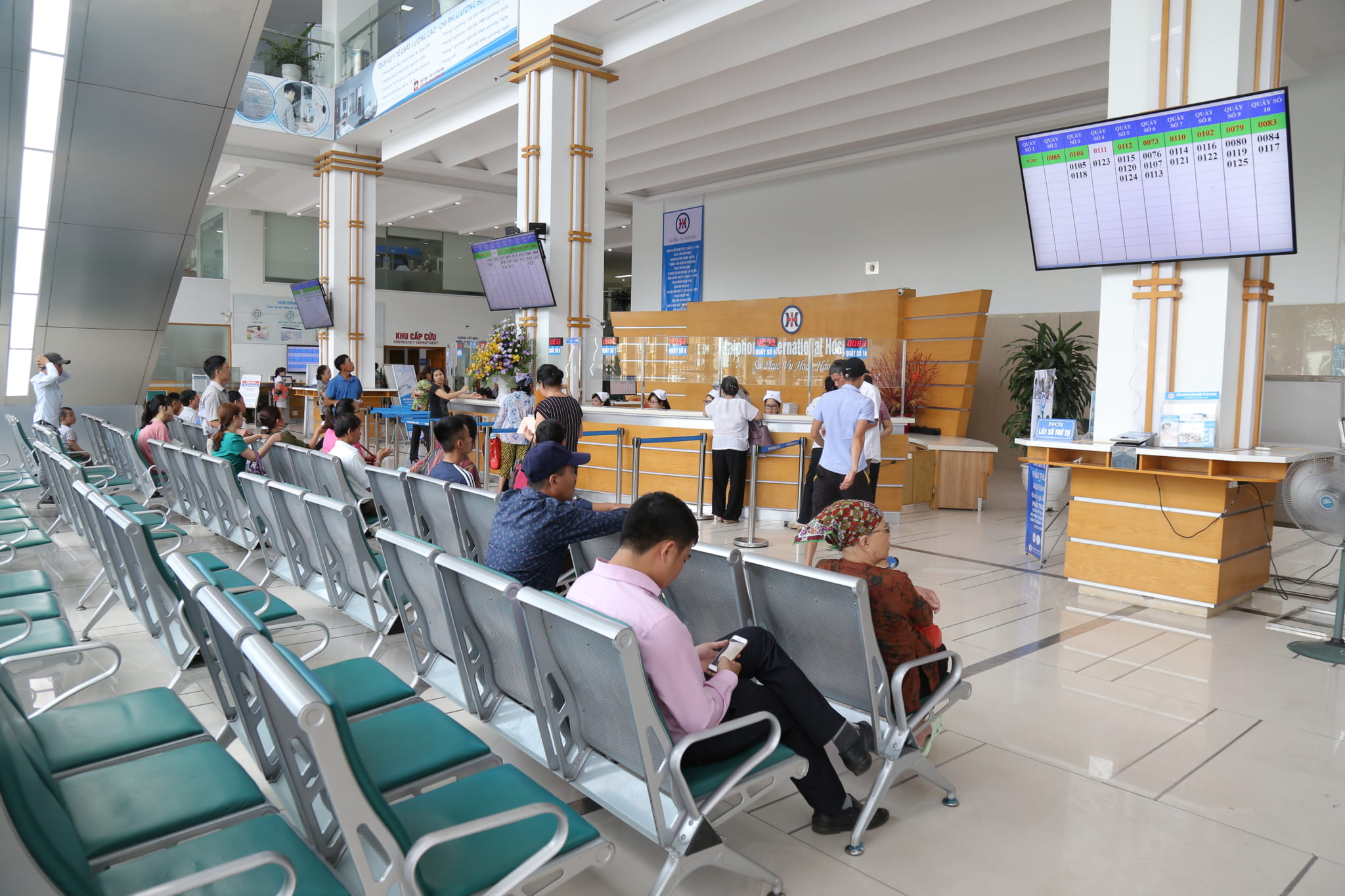
After receiving a queue number, patients may proceed to the designated waiting area until their turn is called. The queue number will be announced through the public address system and displayed on electronic screens. Patients are requested to wait for their number to be called before proceeding to the registration counter, ensuring a fast and efficient registration process.
3
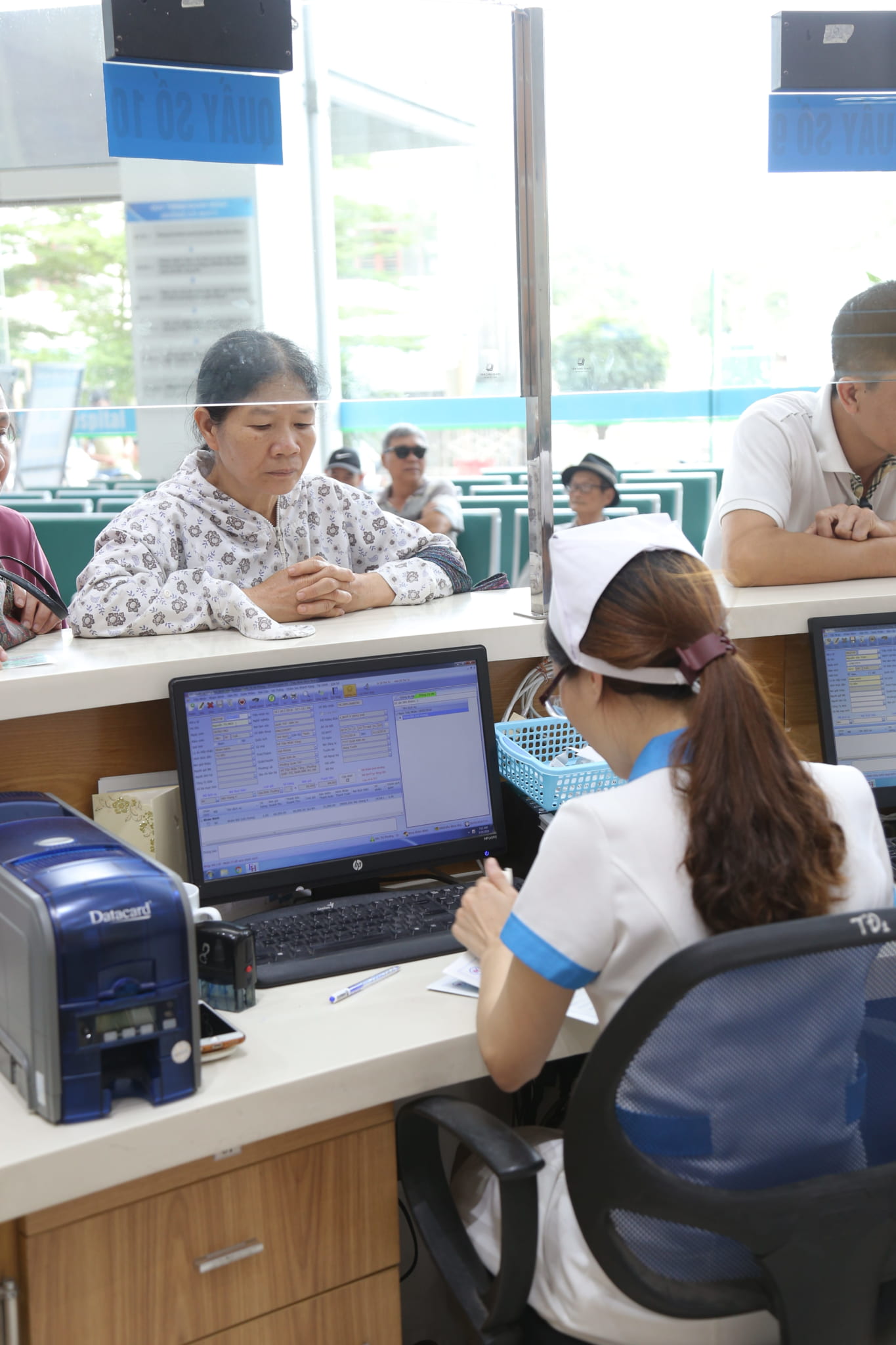
Patients are required to provide their personal information at the registration counter and present their Health Insurance Card (BHYT) together with a valid identification document if they are attending under health insurance coverage.
4
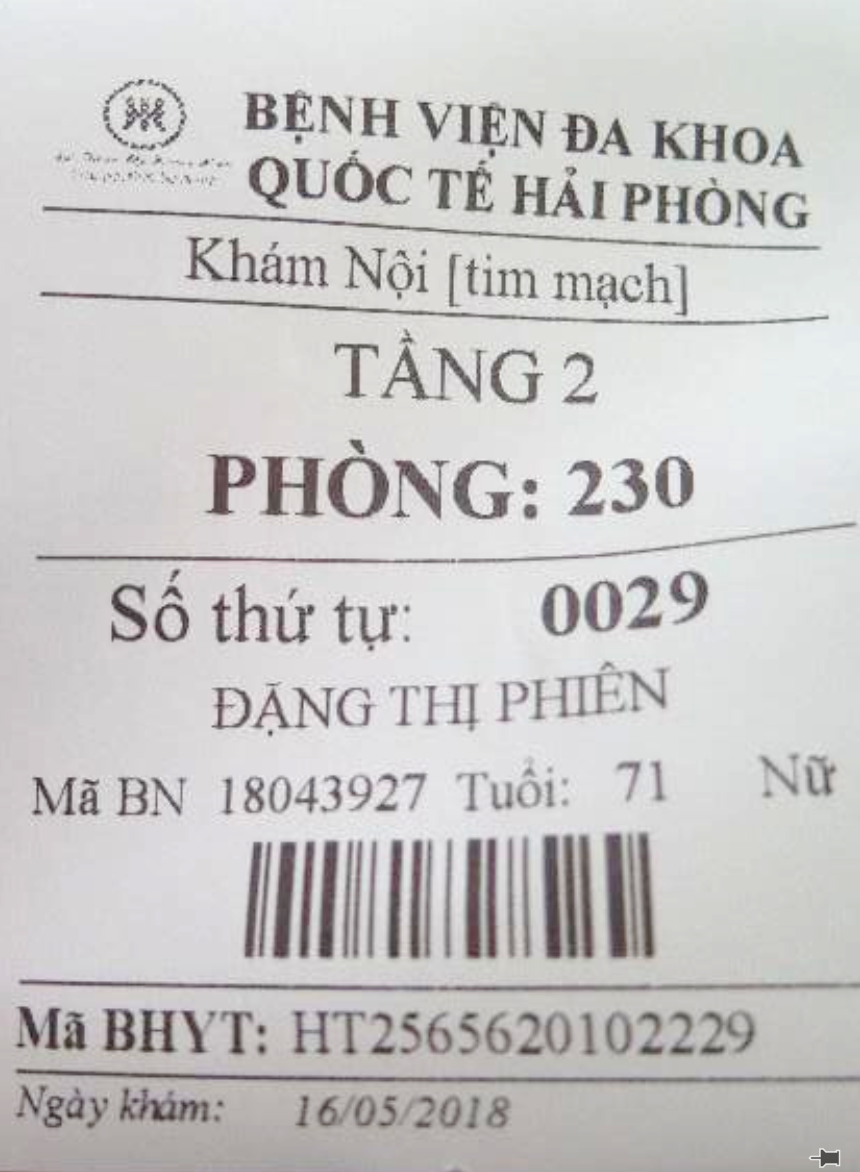
Upon completion of the registration process, patients will receive a medical record booklet along with an examination slip indicating their queue number and the consultation room assigned for their visit.
5
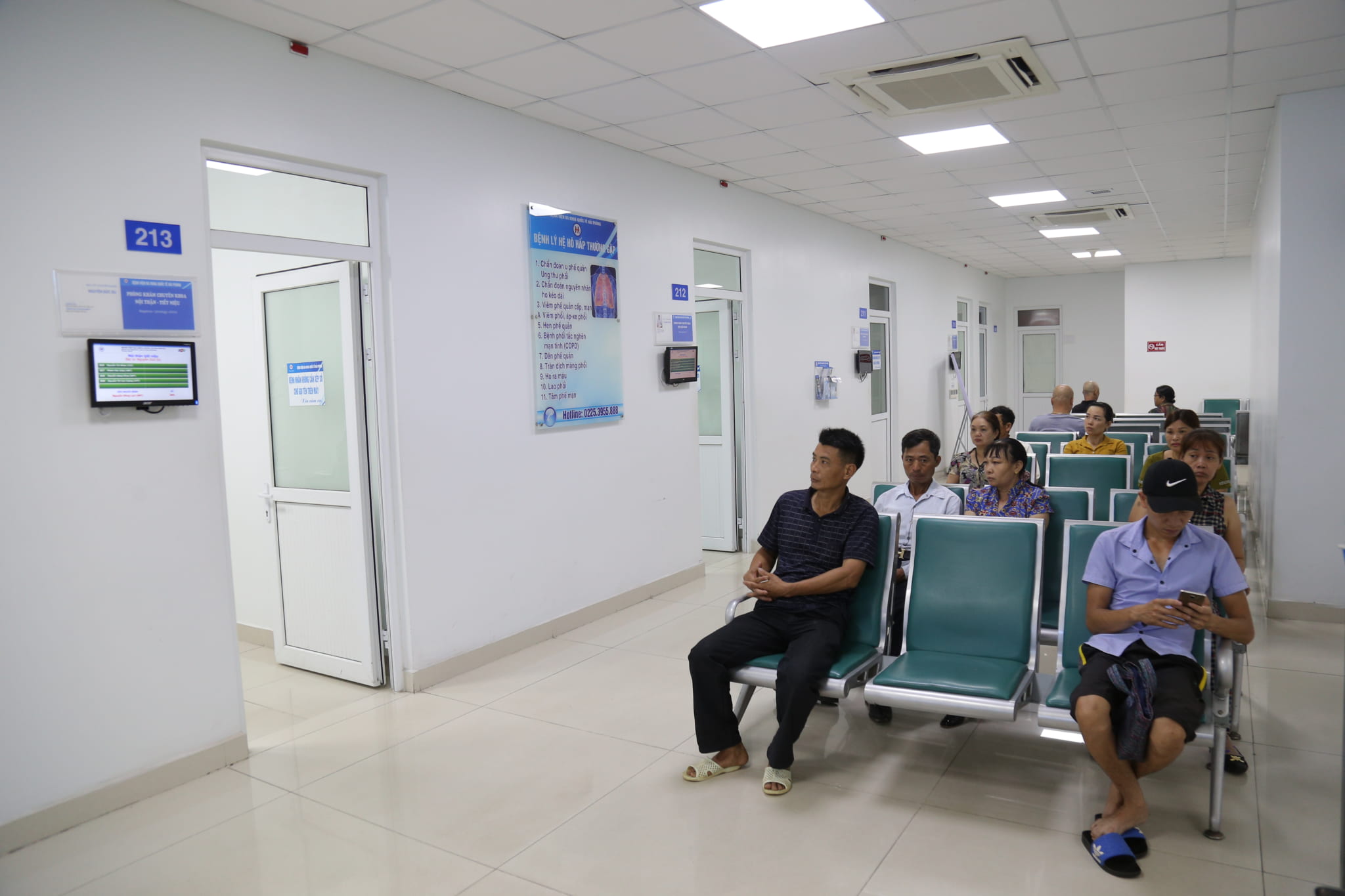
Patients should proceed to the consultation room indicated on the examination slip attached to their medical record booklet and wait for their queue number to be called before entering for their medical consultation.
6
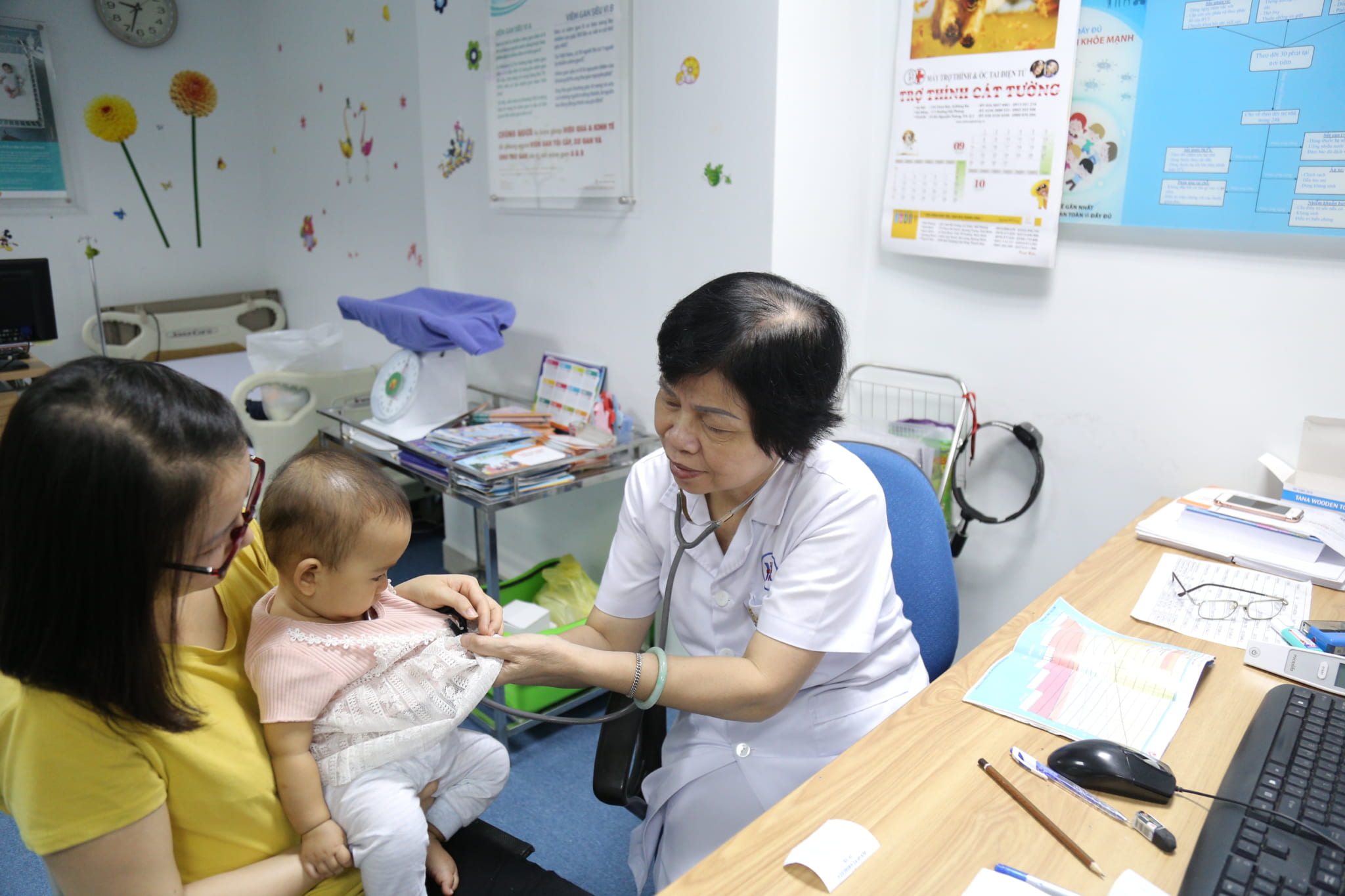
Patients are encouraged to cooperate with physicians and nurses during the consultation process by providing accurate medical information and relevant health history. The physician will conduct a clinical examination and, when necessary, prescribe appropriate laboratory tests and diagnostic procedures to support diagnosis and treatment planning.
7
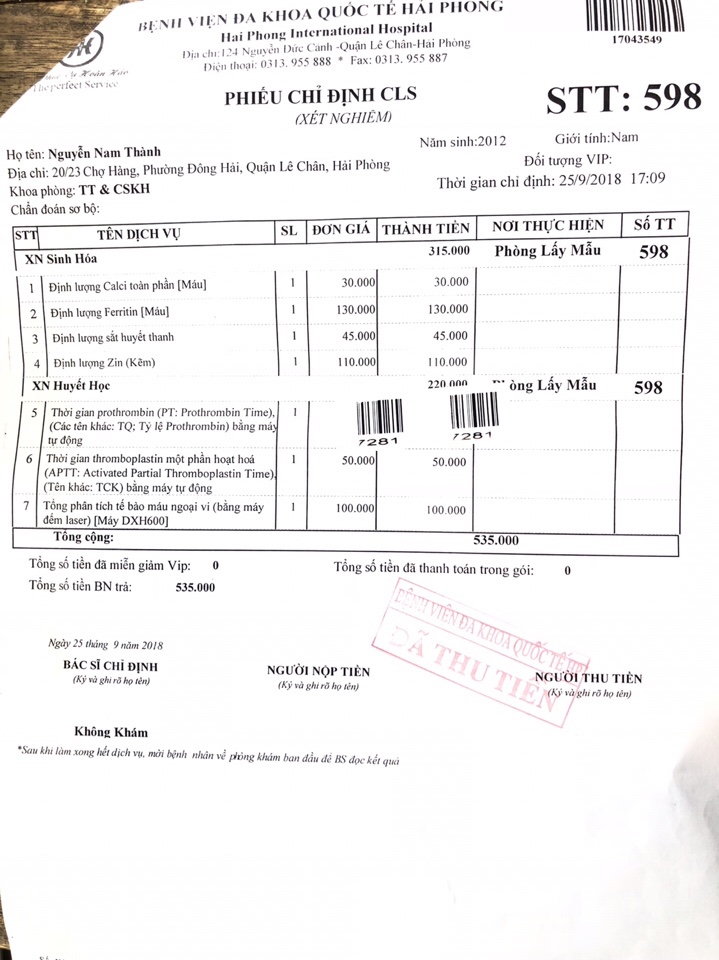
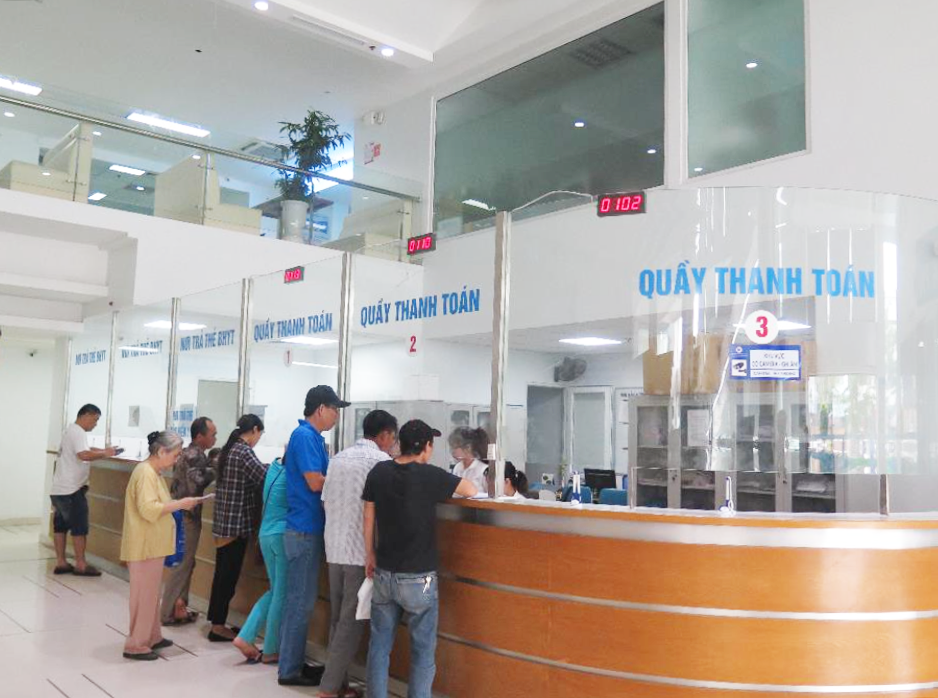
Patients should take the physician’s request form to the cashier counter on the second floor to complete the payment process before proceeding to the designated laboratory and diagnostic service areas for the prescribed tests and examinations.


-
SMART HOSPITAL MODEL

-
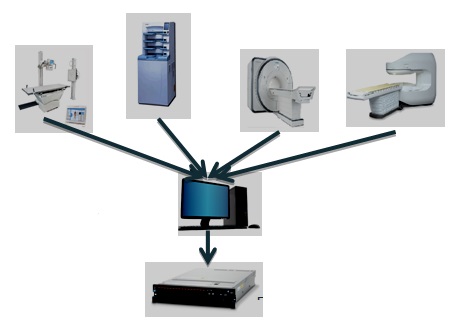
PACS (Picture Archiving and Communication System)

PACS (Picture Archiving and Communication System) is a digital medical imaging storage and communication system designed to provide fast, secure, and cost-effective access to diagnostic images. Widely used in radiology and other imaging specialties, PACS enables healthcare professionals to efficiently store, retrieve, manage, and share medical images throughout the hospital network.
Benefits of PACS
– Eliminates the need for traditional film-based image storage, significantly reducing costs associated with printing, handling, and physical archiving. Digital images can be stored economically on servers, computers, or optical media.
– Facilitates rapid image transmission, supports teleradiology and remote consultations, and enables distance learning while maintaining strict data security and patient confidentiality.
– Integrates seamlessly with other healthcare information systems, including HIS (Hospital Information System), RIS (Radiology Information System), and EMR (Electronic Medical Record), creating a unified and efficient clinical workflow.
– Enhances the management of patient scheduling and imaging workflows within the Department of Diagnostic Imaging, including appointment tracking, examination history, imaging sessions, and related diagnostic procedures.
-
Free Hospital-Wide Wi-Fi Access

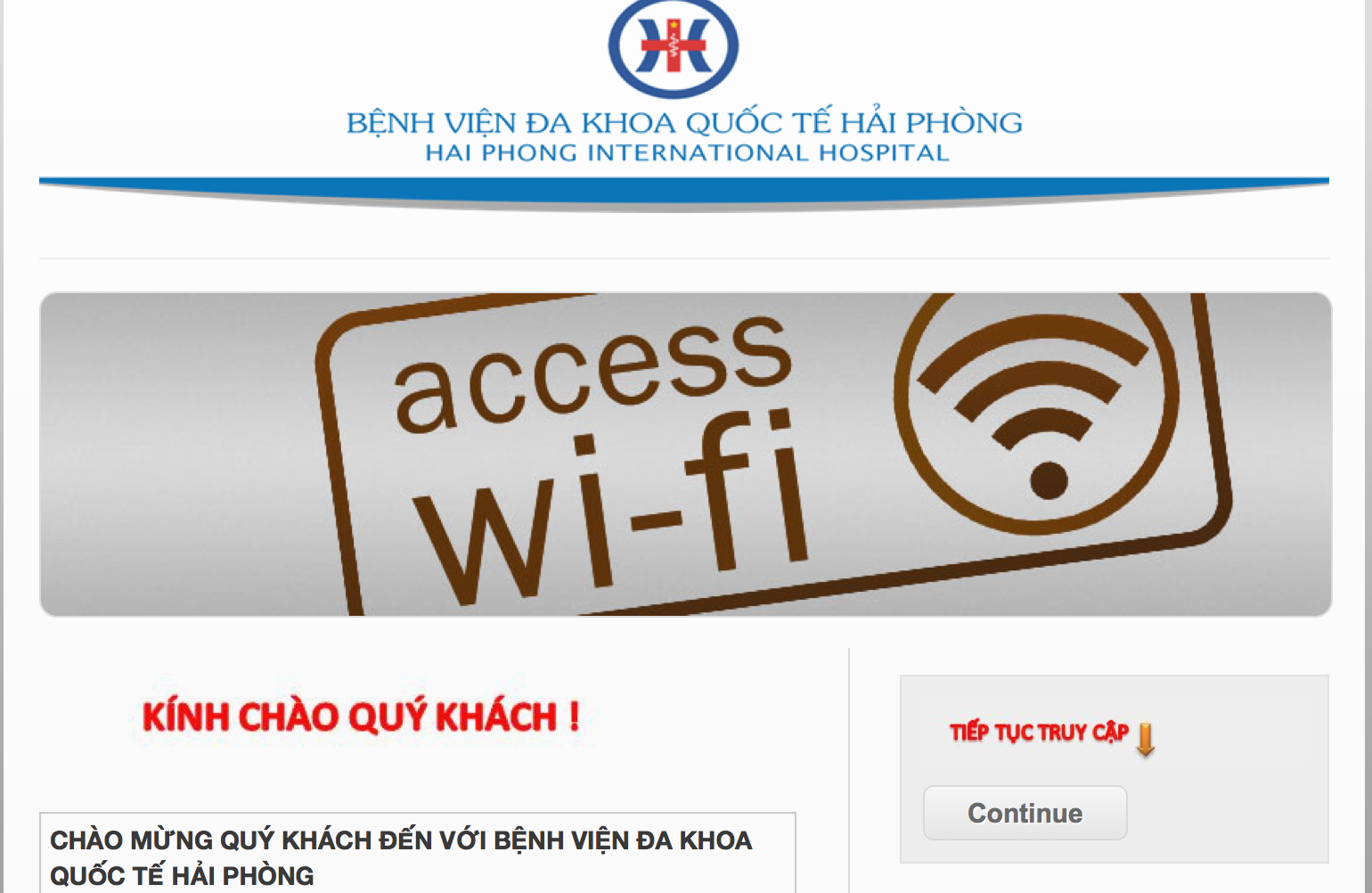
To provide a more convenient and comfortable experience for patients and visitors, Hai Phong International General Hospital offers free Wi-Fi access throughout the entire hospital campus. Patients can connect to the wireless network from virtually any location within the hospital at no cost.
In addition, the Wi-Fi system is integrated with a customer feedback platform, allowing patients and visitors to conveniently submit comments, suggestions, and service evaluations. This valuable feedback helps the hospital continuously improve service quality and enhance the overall patient experience. Every comment is carefully reviewed and considered as part of the hospital’s commitment to delivering increasingly patient-centered healthcare services.
-
HOME SAMPLE COLLECTION SERVICES

Long waiting times and overcrowding at hospitals and clinics often require patients to fast early in the morning for laboratory tests and return later in the day to receive their results. Combined with extended waiting periods, this can leave patients feeling exhausted and, in some cases, worsen their health conditions.
Understanding the growing demand for convenient and accessible healthcare services, Hai Phong International General Hospital is proud to be one of the pioneering healthcare providers in Hai Phong offering home sample collection and home delivery of test results. This service allows patients to receive professional laboratory testing without the need to travel to the hospital, ensuring greater comfort, convenience, and peace of mind.
-
SMART AUTOMATED QUEUE MANAGEMENT SYSTEM

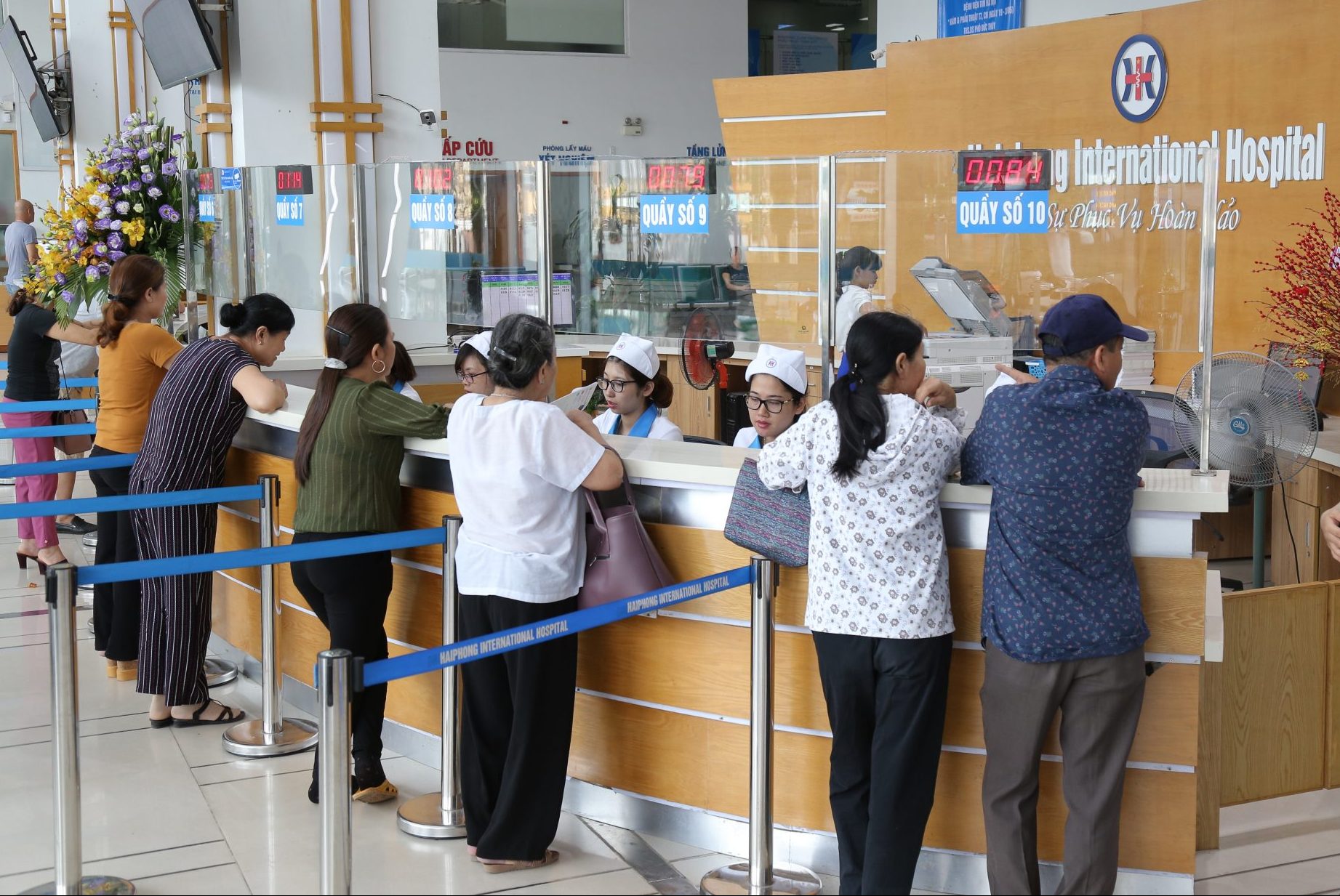
The Smart Automated Queue Management System represents a significant advancement in enhancing the hospital’s service quality and patient experience. The system helps reduce overcrowding at registration counters, minimizes waiting times, and streamlines the patient registration process.
Patients simply need to obtain a queue number from the self-service ticketing kiosk, wait comfortably for their number to be called, and proceed to the registration desk or designated specialty clinic. This efficient and user-friendly process ensures faster access to healthcare services while improving overall convenience and satisfaction.
-
AUTOMATED PRESCRIPTION PRINTING SYSTEM
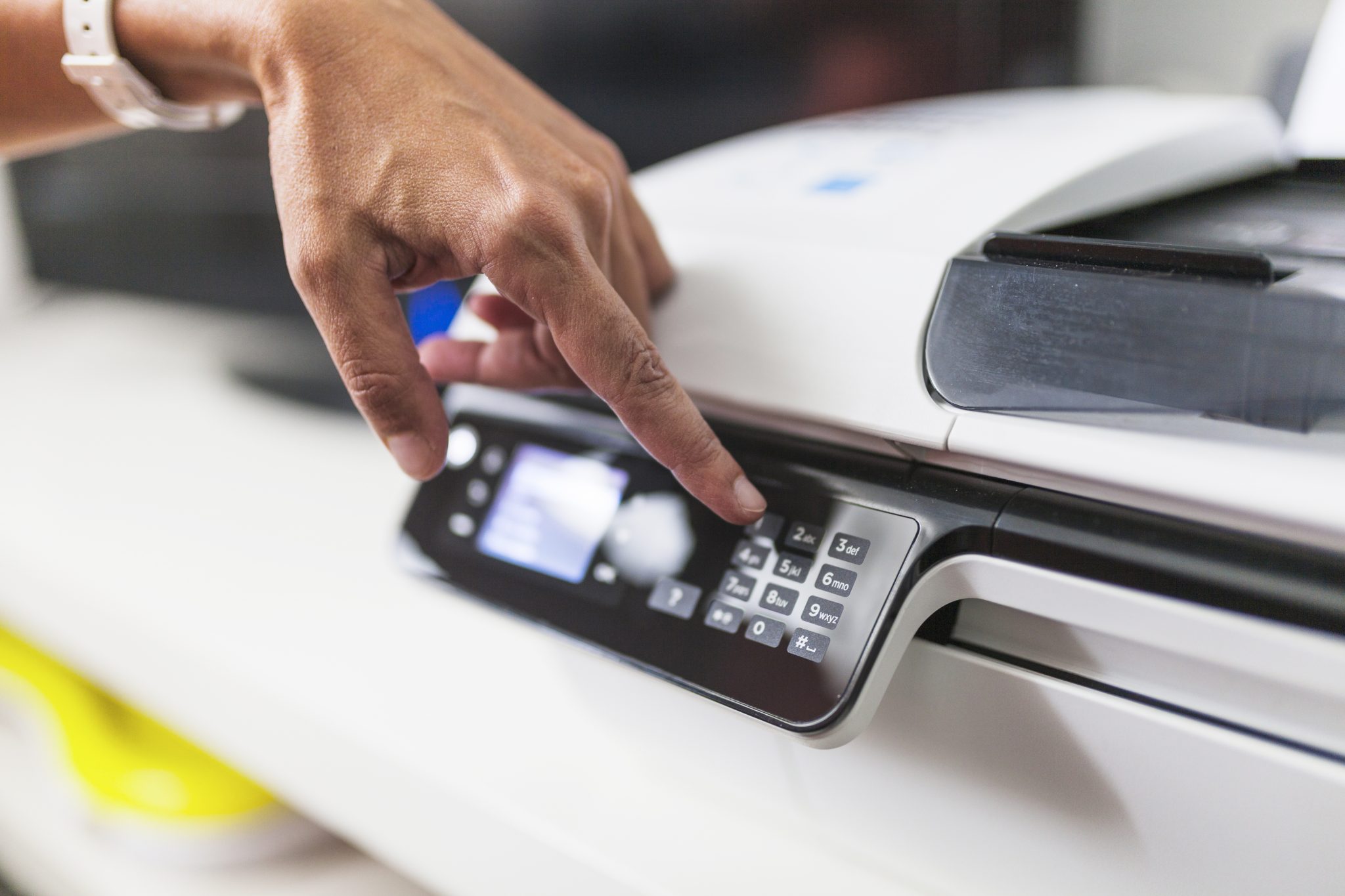
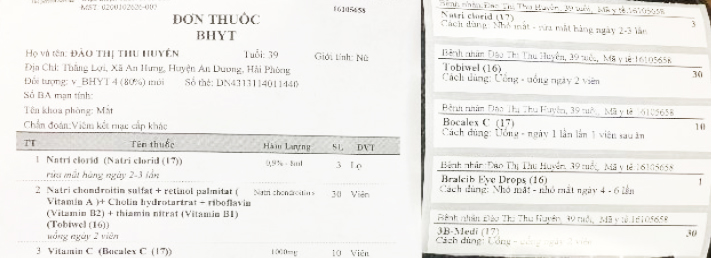
With the Automated Prescription Printing System, patients no longer have to worry about interpreting handwritten prescriptions. Physicians enter medication orders directly into the hospital’s electronic system, and the prescription is automatically transmitted to the Department of Pharmacy.
The prescription is then clearly printed and attached directly to the dispensed medications before being delivered to the patient. This process enhances accuracy, reduces medication errors, improves communication between departments, and ensures that patients receive clear and easy-to-follow medication instructions.


8
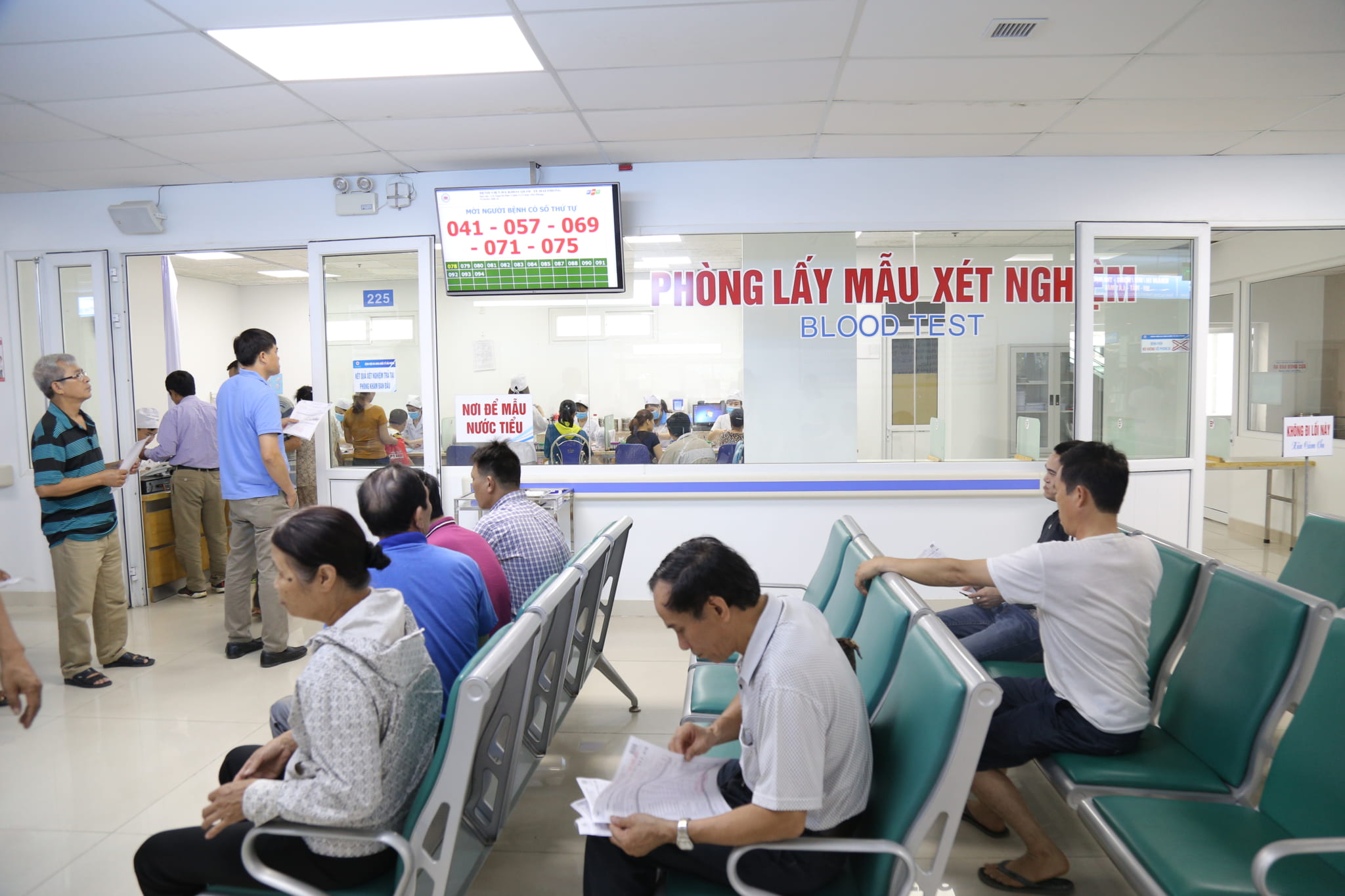
Patients who require specimen collection for laboratory testing should wait in the designated seating area outside the sample collection room on the second floor. When their queue number, as indicated on the test request form, is called by the system, they should proceed to the collection room and follow the instructions provided by the nursing staff.
9
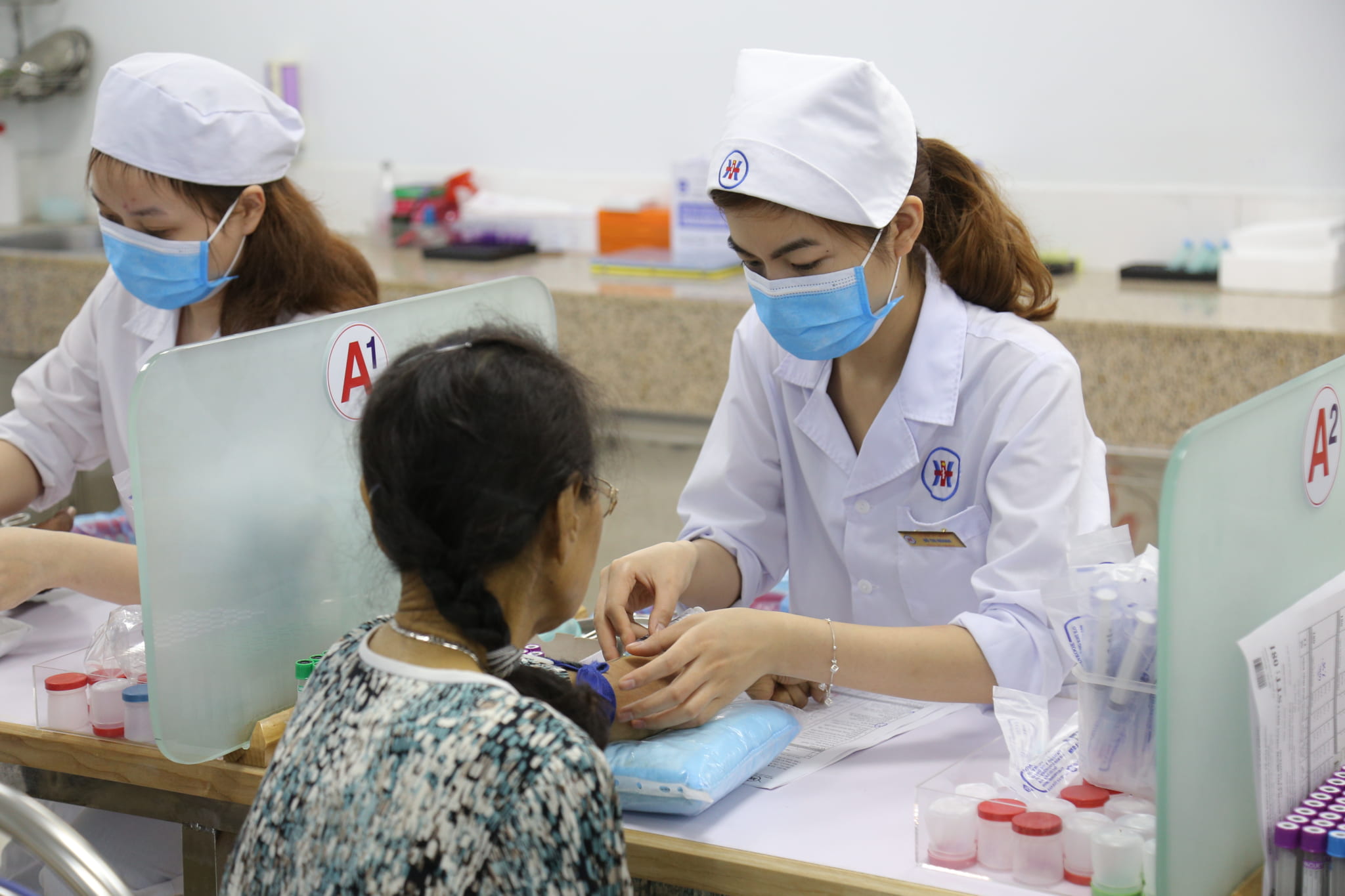
Each patient is assigned a unique barcode that is attached to their specimen collection tube. The barcode scanning system automatically records the patient’s information and the physician’s test orders, transmitting the data directly to the laboratory information system. This process helps prevent specimen identification errors and ensures accurate sample tracking.
After the specimen has been collected, the nursing staff sends it to the laboratory through the hospital’s automated pneumatic tube system. Once completed, test results are electronically returned to the physician’s consultation room, significantly reducing waiting times and enabling a faster and more efficient patient care process.
8
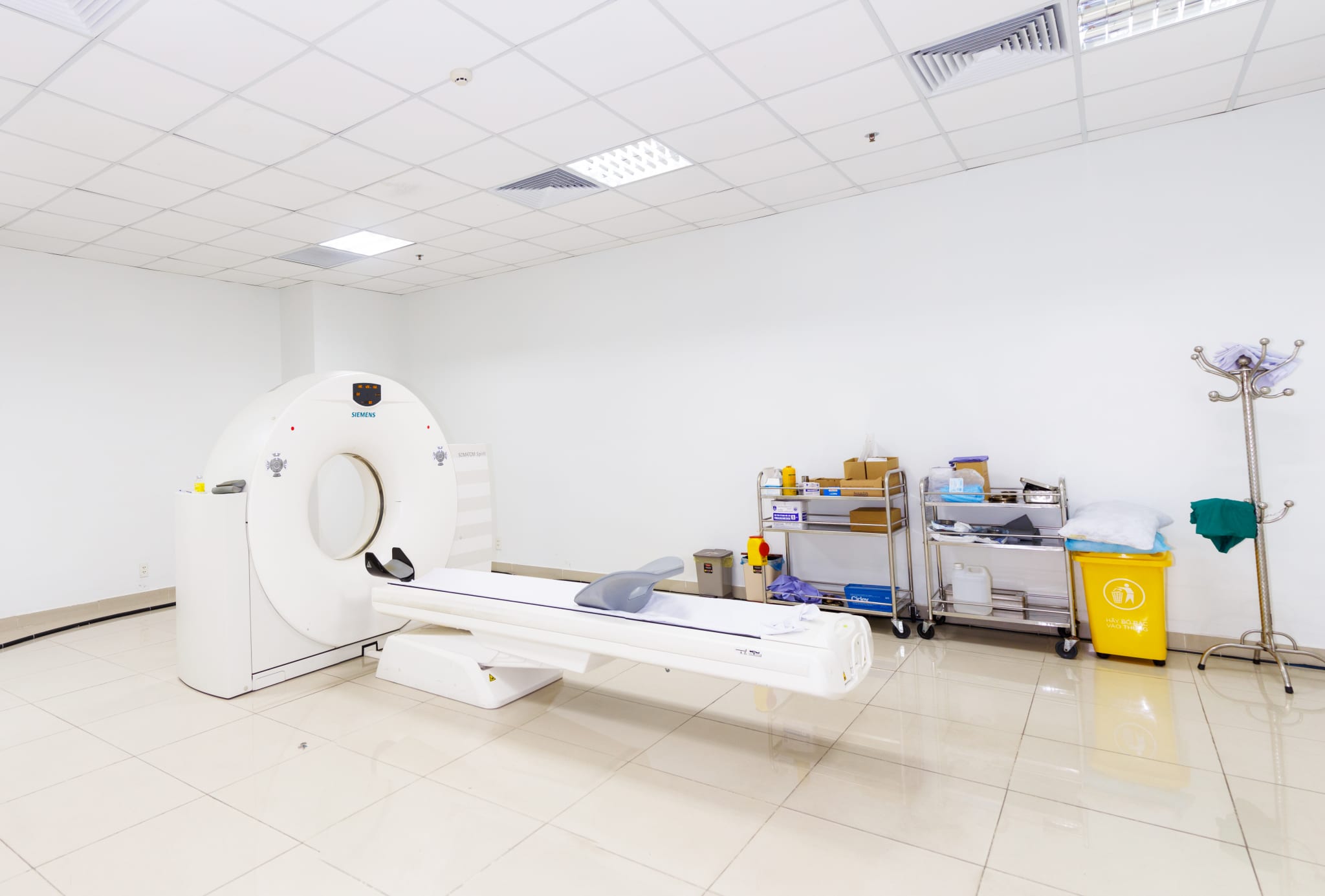
Patients who require diagnostic procedures such as X-ray, CT scan, MRI, ultrasound, or endoscopy will be directed to the hospital’s third floor. Upon arrival, they will be welcomed by nursing staff, who will provide guidance and assist them in accessing the appropriate diagnostic and examination areas.
This coordinated process helps ensure a smooth patient journey, minimizes waiting times, and enables patients to complete their diagnostic procedures efficiently and comfortably.
9
The PACS
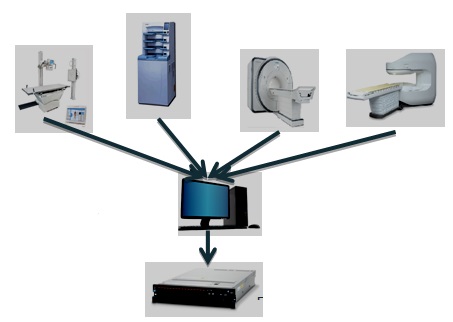
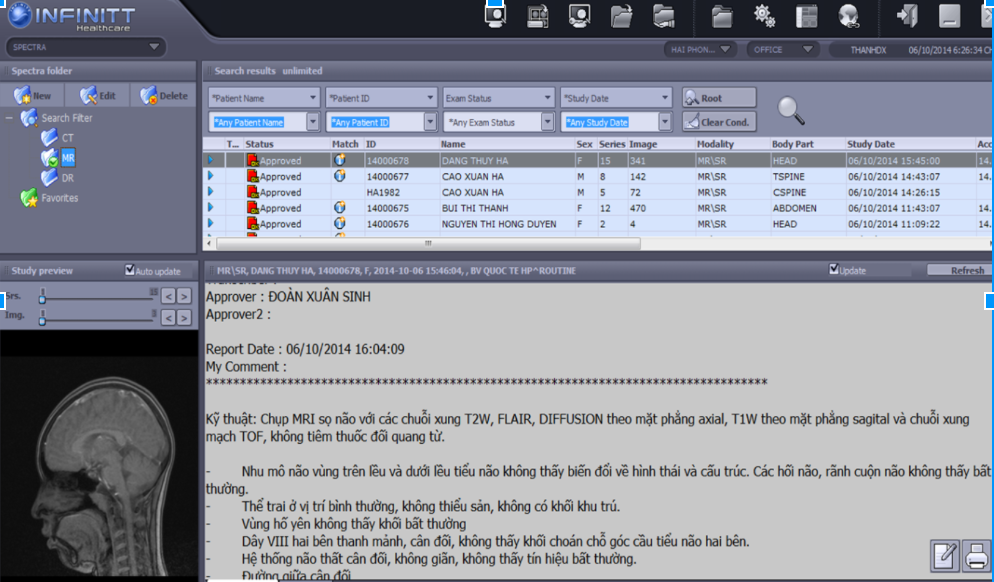
The PACS (Picture Archiving and Communication System) currently in use at Hai Phong International General Hospital enables the secure online storage and management of all diagnostic imaging data, including X-rays, CT scans, MRI scans, and other imaging studies. This advanced system not only allows physicians and patients to conveniently access medical images through smart devices but also significantly reduces the costs associated with printing diagnostic films.
All images are stored in a fully digital format and integrated into the hospital network. Physicians can instantly review imaging results from consultation rooms, treatment departments, or other clinical areas. In addition, previous imaging studies can be retrieved and compared at any time, eliminating the need for patients to carry or present old films during follow-up visits. This enhances diagnostic accuracy, improves clinical efficiency, and provides a more convenient experience for patients.
10
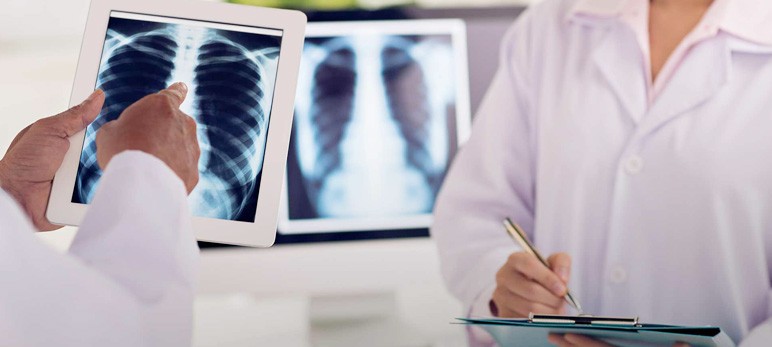
Once the laboratory test and diagnostic imaging results are available, patients should return to their original consultation room with the results. The physician will review the findings, establish an appropriate treatment plan, and prescribe medication or additional interventions if required.
11
Patients should proceed to the payment counter on the first floor to receive their Health Insurance (BHYT) claim form and collect their Health Insurance Card, if applicable.
12
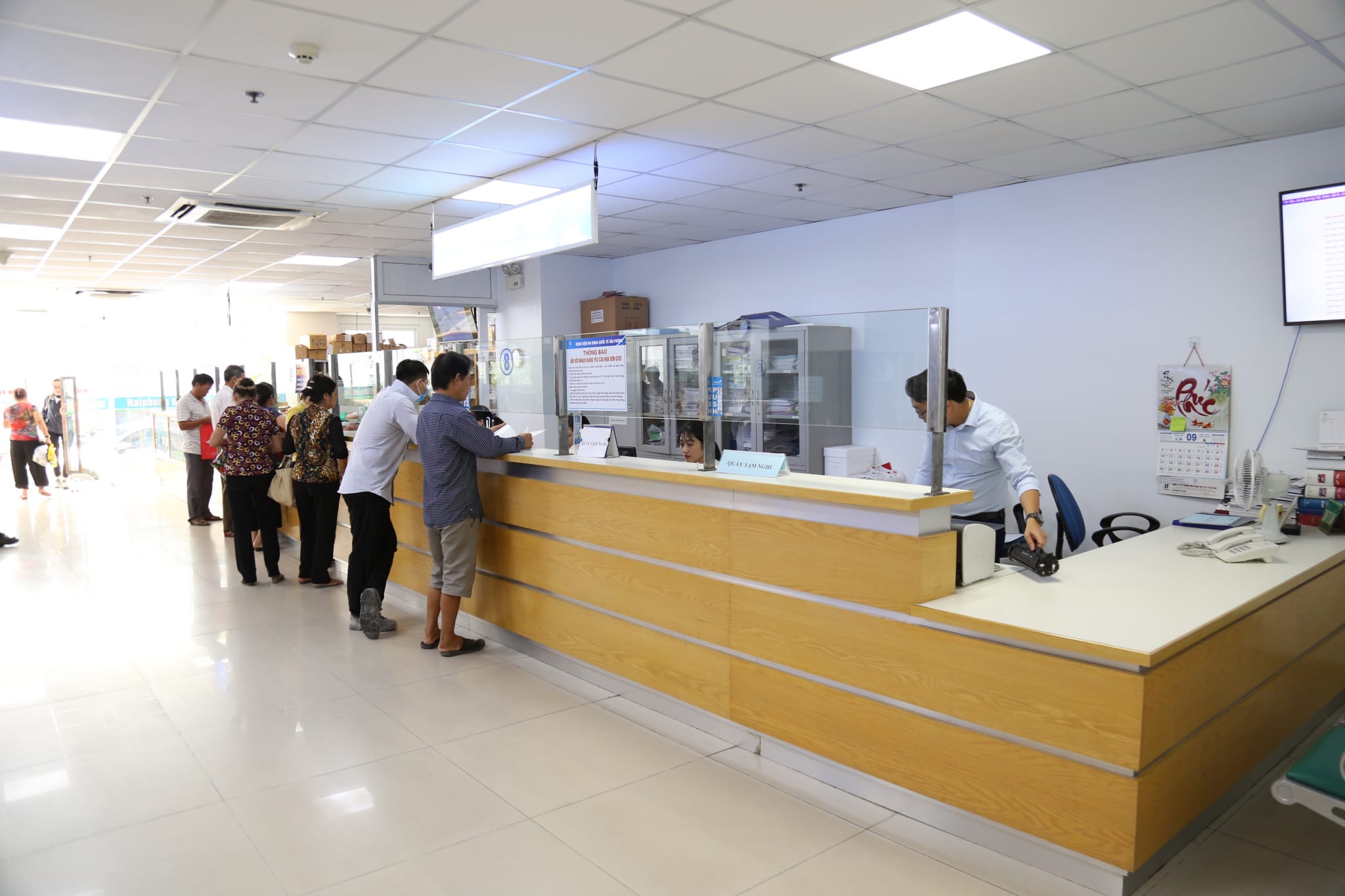
Patients should proceed to the hospital pharmacy to receive their Health Insurance (BHYT) medications, if applicable, and purchase any prescribed medications. The hospital’s integrated smart software system automatically transmits electronic prescriptions from the physician’s consultation room directly to the pharmacy workstation. Pharmacists then prepare the medications according to the prescription and attach clear dosage and administration instructions to each medication package to ensure safe and effective use.
13
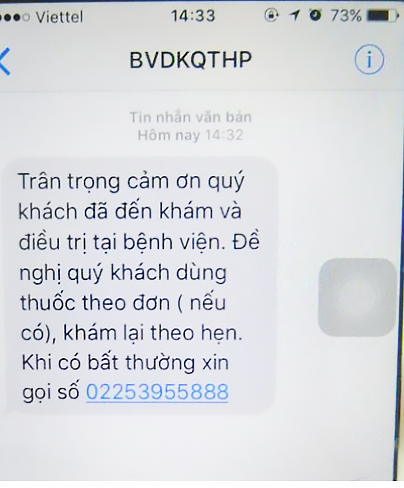
The hospital’s information management system securely stores patients’ personal information, medical history, diagnostic records, and treatment data for future visits. This comprehensive electronic health record system enables physicians to access previous medical information quickly, ensuring continuity of care and more effective treatment planning. The system also sends automated reminders and follow-up notifications via text message, helping patients stay informed about scheduled appointments and recommended return visits.
14
For follow-up visits, patients can enjoy a faster and more convenient registration process without lengthy waiting times. Simply bring the medical record booklet containing the previous visit slip, along with a Health Insurance Card and a valid identification document (for insured patients), and proceed to the self-service registration kiosk to check in and be directed to the appropriate consultation room.