
Transforaminal Lumbar Interbody Fusion (TLIF)
Patient V.T.T.H. presented with persistent lower back pain accompanied by numbness in the left leg. Following clinical evaluation and X-ray imaging at Hai Phong International General Hospital, the patient was diagnosed with Grade II L5 spondylolisthesis and an L5–S1 herniated disc, conditions that had significantly affected the patient’s quality of life.

Spondylolisthesis is a common spinal condition that causes instability of the spine, with more than 90% of patients ultimately requiring surgical intervention. Based on the underlying cause, spondylolisthesis can be classified as:
– Congenital spondylolisthesis.
– Isthmic spondylolisthesis (caused by a defect in the pars interarticularis).
– Degenerative spondylolisthesis resulting from degenerative disc disease and facet joint degeneration.
– Traumatic spondylolisthesis caused by injury to the spinal structures.
– Pathological spondylolisthesis associated with conditions such as tuberculosis, cancer, or spinal infections.
– Postoperative spondylolisthesis following spinal surgery.
Treatment Options
Non-surgical Treatment
Conservative management is primarily aimed at relieving symptoms. In selected patients, a combination of medication and external spinal stabilization may provide satisfactory symptom control and delay or eliminate the need for surgery.
Surgical Treatment
Because spondylolisthesis is a structural disorder that compromises spinal stability, more than 90% of patients require surgery. The primary goals of surgery are to restore spinal stability and relieve pressure on the affected nerve roots.
Surgery is recommended for patients who:
– Have neurological compression that does not respond to conservative treatment.
– Experience severe pain that cannot be adequately controlled with medication.
– Have congenital spondylolisthesis requiring surgical correction.
Emergency surgery is indicated in patients presenting with:
– Progressive muscle atrophy.
– Bowel or bladder dysfunction.
Additional indications for surgery include evidence of spinal instability caused by pars defects, facet joint injuries, or damage to the interspinous and supraspinous ligaments.
For patient V.T.T.H., the surgical team at Hai Phong International General Hospital performed a Transforaminal Lumbar Interbody Fusion (TLIF) with pedicle screw fixation. TLIF is one of the most widely accepted and effective procedures for treating lumbar spondylolisthesis, providing spinal stability while minimizing manipulation of the spinal nerves. The surgery was completed successfully, with the patient experiencing significant pain relief and marked clinical improvement during the postoperative recovery period.
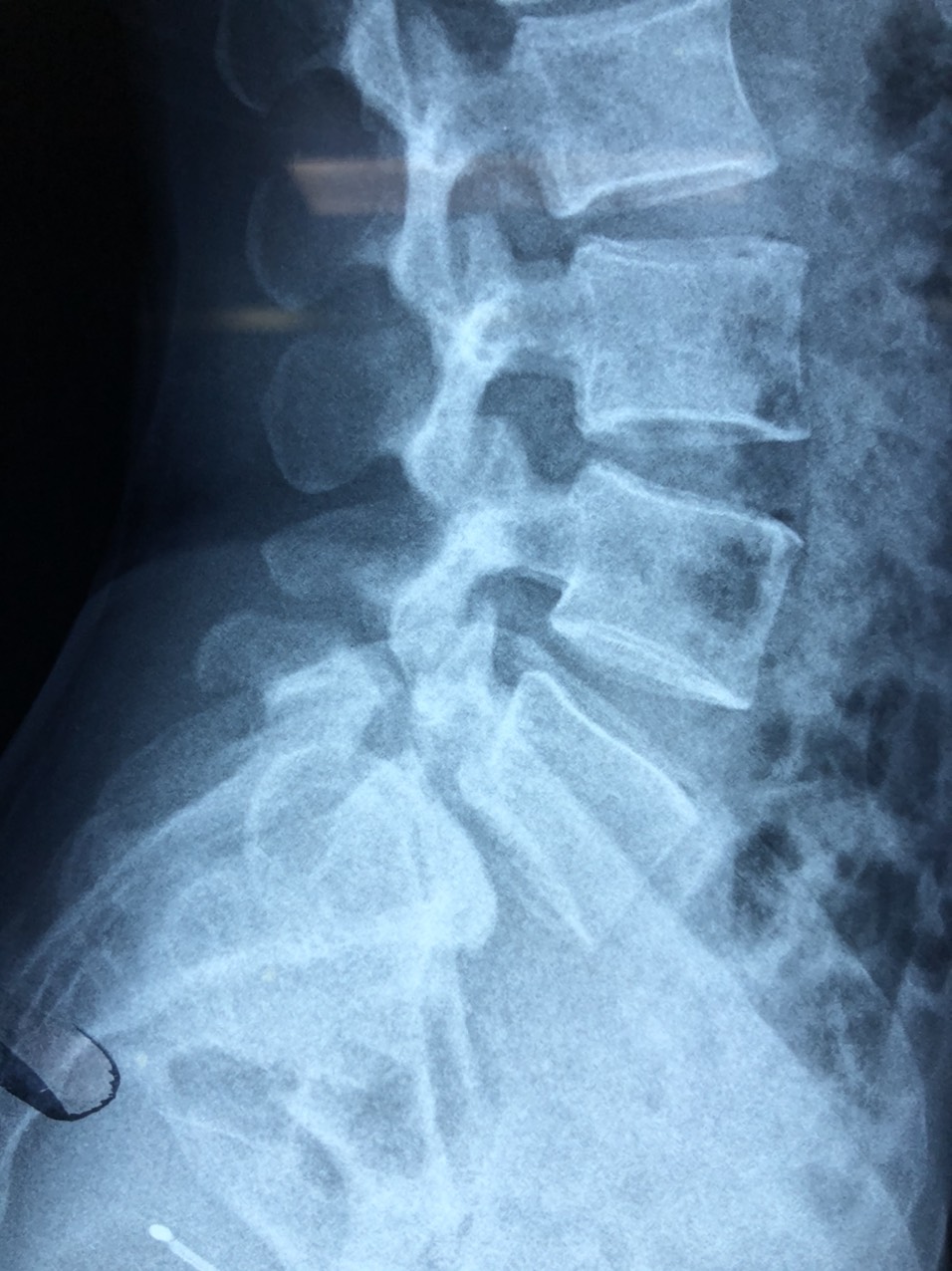
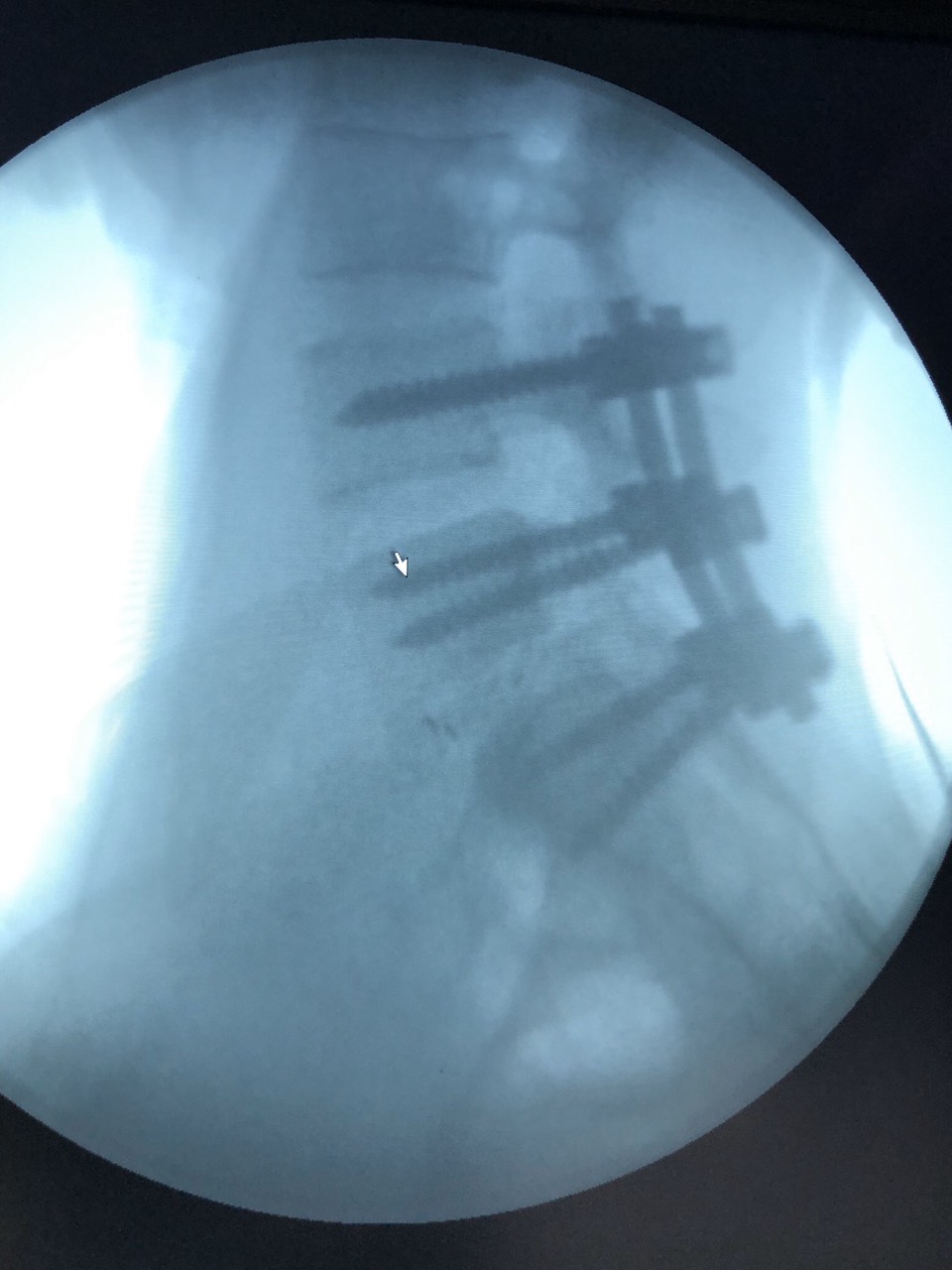
At Hai Phong International General Hospital, state-of-the-art diagnostic imaging technologies play a vital role in supporting accurate diagnosis and effective treatment. These advanced imaging systems enable physicians to detect a wide range of medical and surgical conditions, particularly spinal injuries, lumbar spondylolisthesis, herniated discs, and other spinal disorders.
Patients also benefit from treatment and surgery performed by highly experienced neurosurgeons and spine specialists, including leading experts from major national referral hospitals. Through advanced surgical techniques and multidisciplinary expertise, the hospital is committed to delivering excellent clinical outcomes and improving patients’ quality of life.