

Extracorporeal Shock Wave Lithotripsy (ESWL)
On September 26, Hai Phong International General Hospital successfully introduced Extracorporeal Shock Wave Lithotripsy (ESWL) under the guidance, technical support, and technology transfer from specialists at Bach Mai Hospital.
Extracorporeal Shock Wave Lithotripsy (ESWL) uses focused shock waves to break kidney stones into small fragments without requiring any invasive procedure. The fragmented stones are then naturally passed through the ureter into the bladder and eliminated via urination. This technique offers numerous advantages, including high treatment success rates, a short hospital stay of only 1–2 days, a non-invasive approach, a low risk of complications, and cost-effectiveness. With a treatment time of just 50–60 minutes, patients typically experience a rapid recovery.
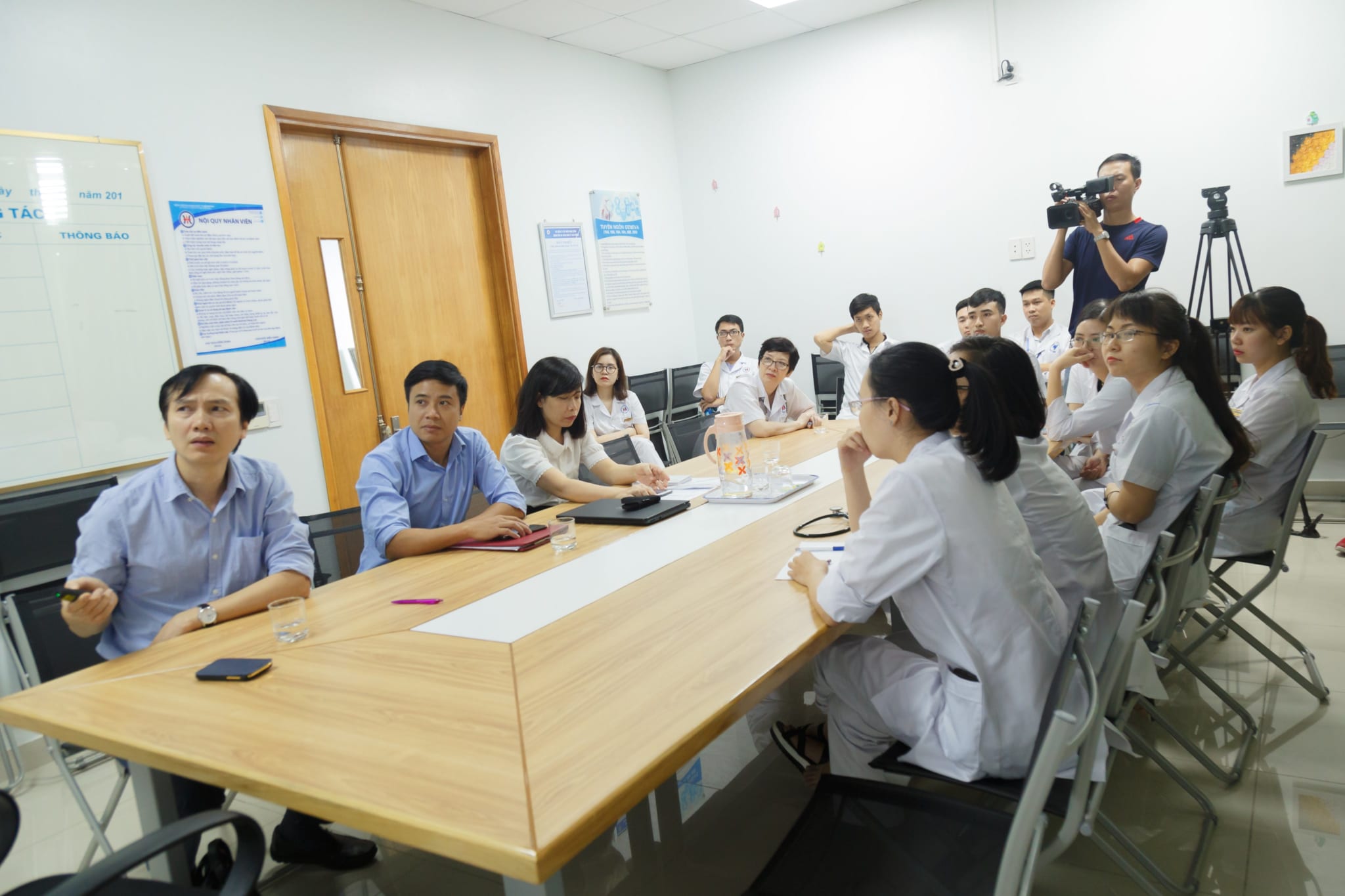
Dr. Le Danh Vinh, MD, PhD, Specialist Level II, Department of Nephrology and Urology, Bach Mai Hospital, highly commended the successful technology transfer of Extracorporeal Shock Wave Lithotripsy (ESWL).
The introduction of this technique marks a significant milestone for Hai Phong International General Hospital in applying advanced medical technologies to the treatment of urinary tract stones. It helps minimize the need for conventional open surgery, shortens hospital stays, and delivers substantial health and economic benefits for patients.
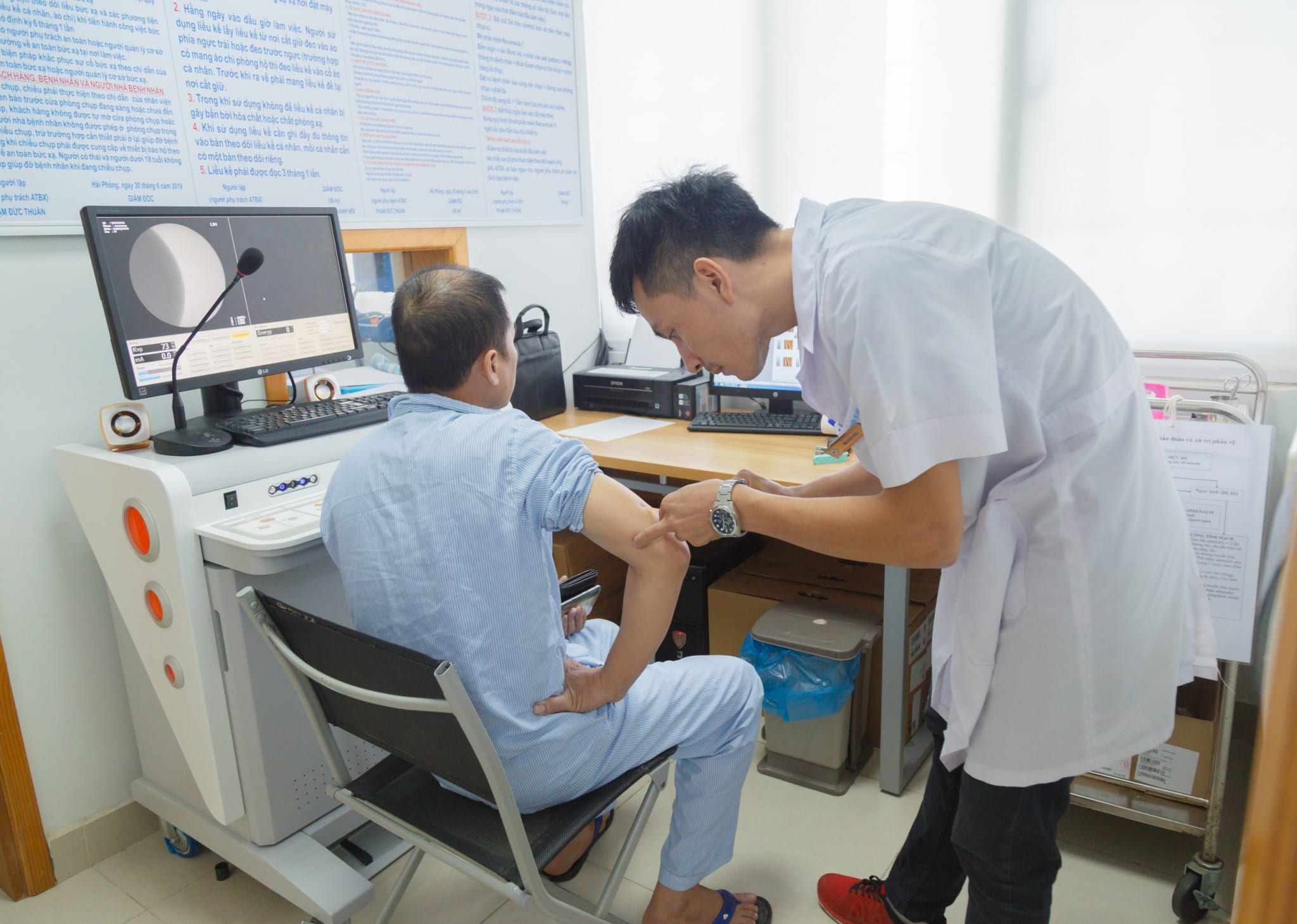
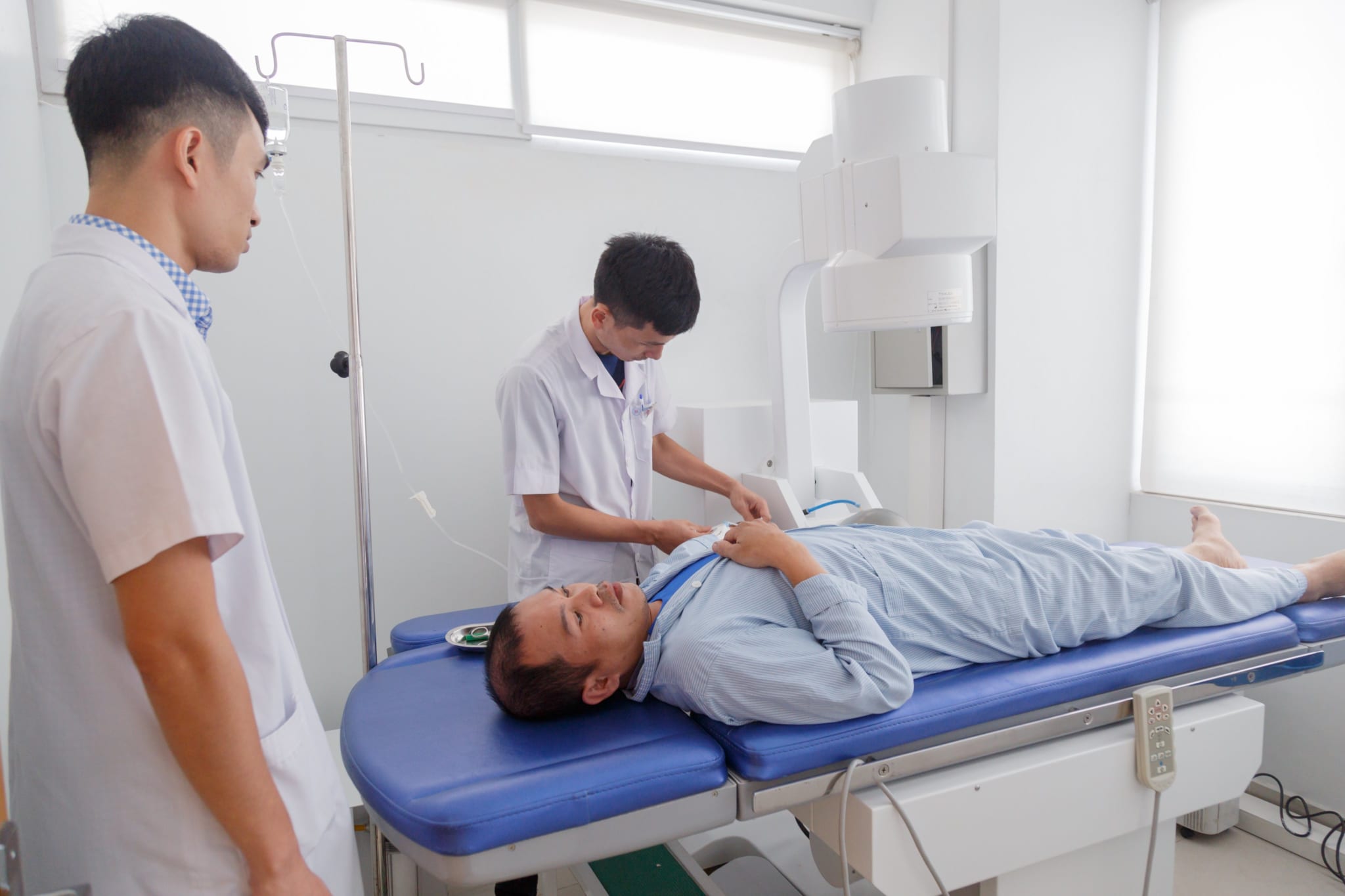
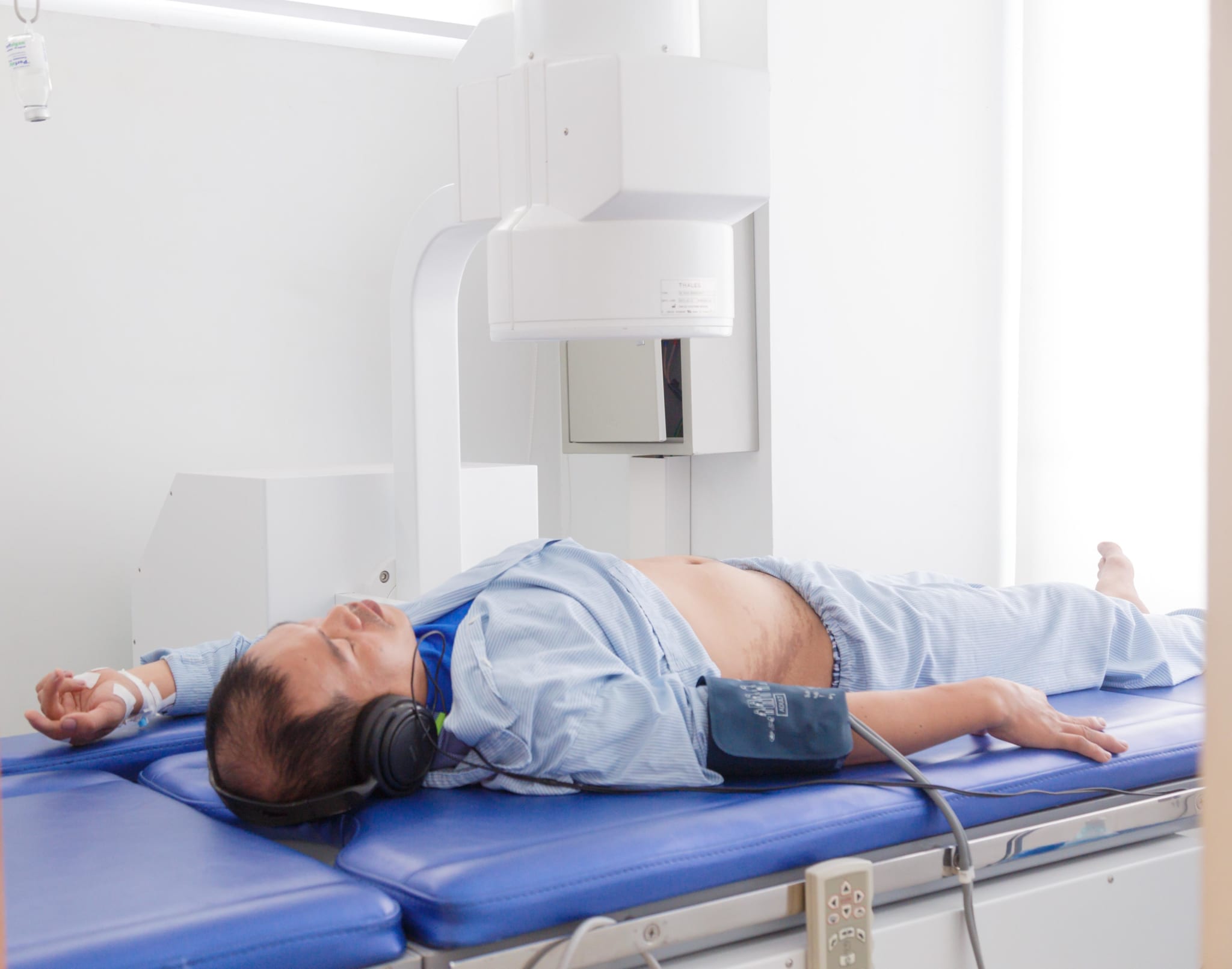
During the procedure, patients lie in a comfortable position and wear noise-reducing headphones, allowing them to avoid the loud shockwave sounds generated during stone fragmentation.
Also that morning, the first Extracorporeal Shock Wave Lithotripsy (ESWL) procedure at Hai Phong International General Hospital was successfully performed by Dr. Nguyen Duc Du, MD, Specialist Level I, from the Department of Emergency and Critical Care, under the direct guidance and technical support of specialists from Bach Mai Hospital. The initial treatment achieved excellent results. The first patient, a male diagnosed with a 15 mm upper left ureteral stone, underwent successful stone fragmentation. The stone was effectively broken into multiple small fragments, with only a few tiny residual pieces expected to pass naturally. The patient was scheduled for early discharge, prescribed medication to facilitate stone passage, and advised to return for a follow-up examination after two weeks.




MOST VIEWED NEWS