

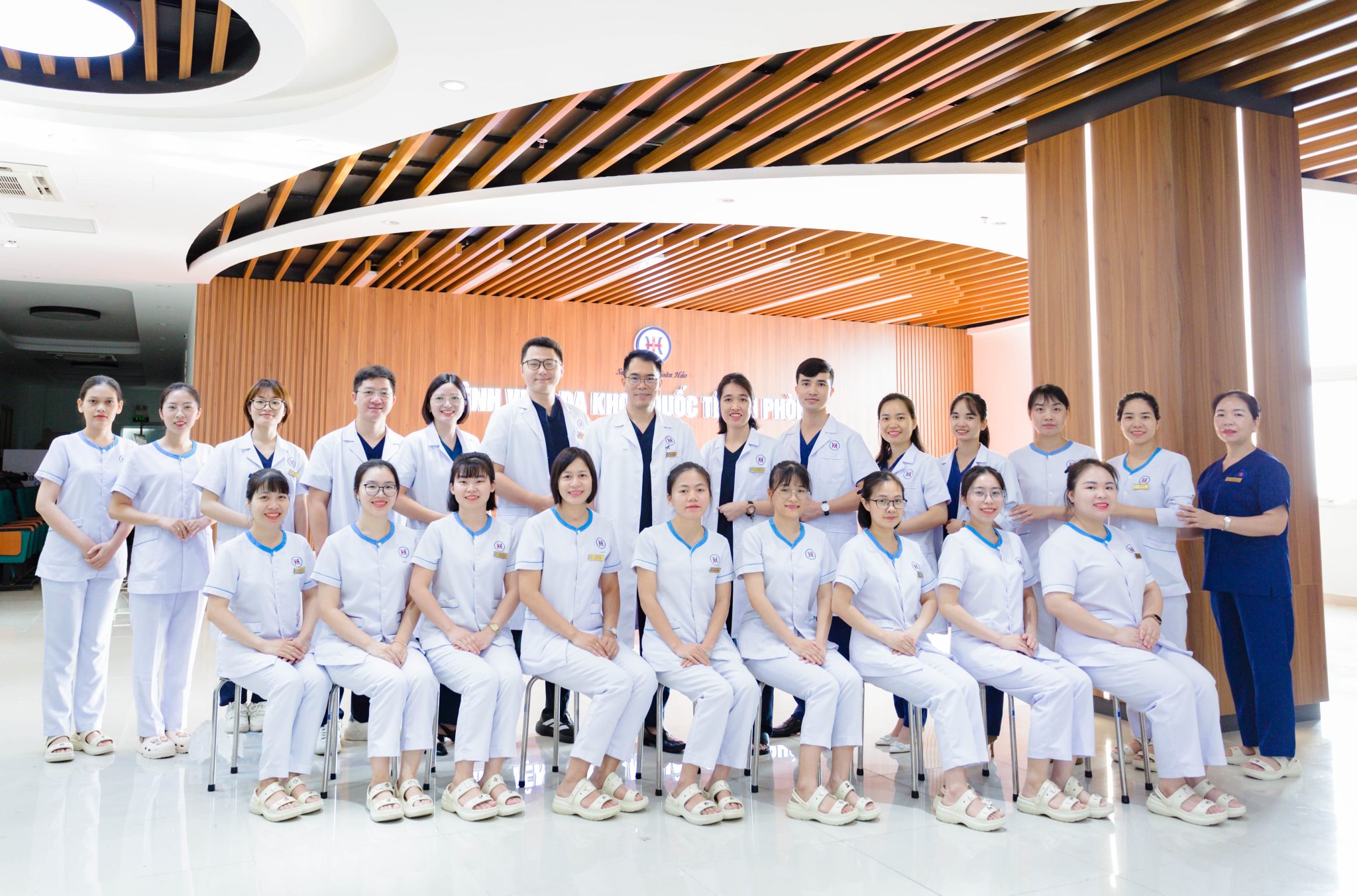
Department of Musculoskeletal Medicine, Nephrology and Allergy & Clinical Immunology

Overview
Located on the 13th floor of the main hospital building, the Department of Musculoskeletal Medicine at Hai Phong International General Hospital comprises three subspecialties: Musculoskeletal Medicine, Nephrology, and Allergy & Clinical Immunology.
The department provides both inpatient and outpatient diagnosis and treatment for patients with musculoskeletal, kidney and urinary, and allergic and immunological disorders.
With a team of highly qualified physicians and healthcare professionals dedicated to delivering compassionate and professional care, the department is committed to providing high-quality medical services and ensuring the highest level of patient satisfaction.
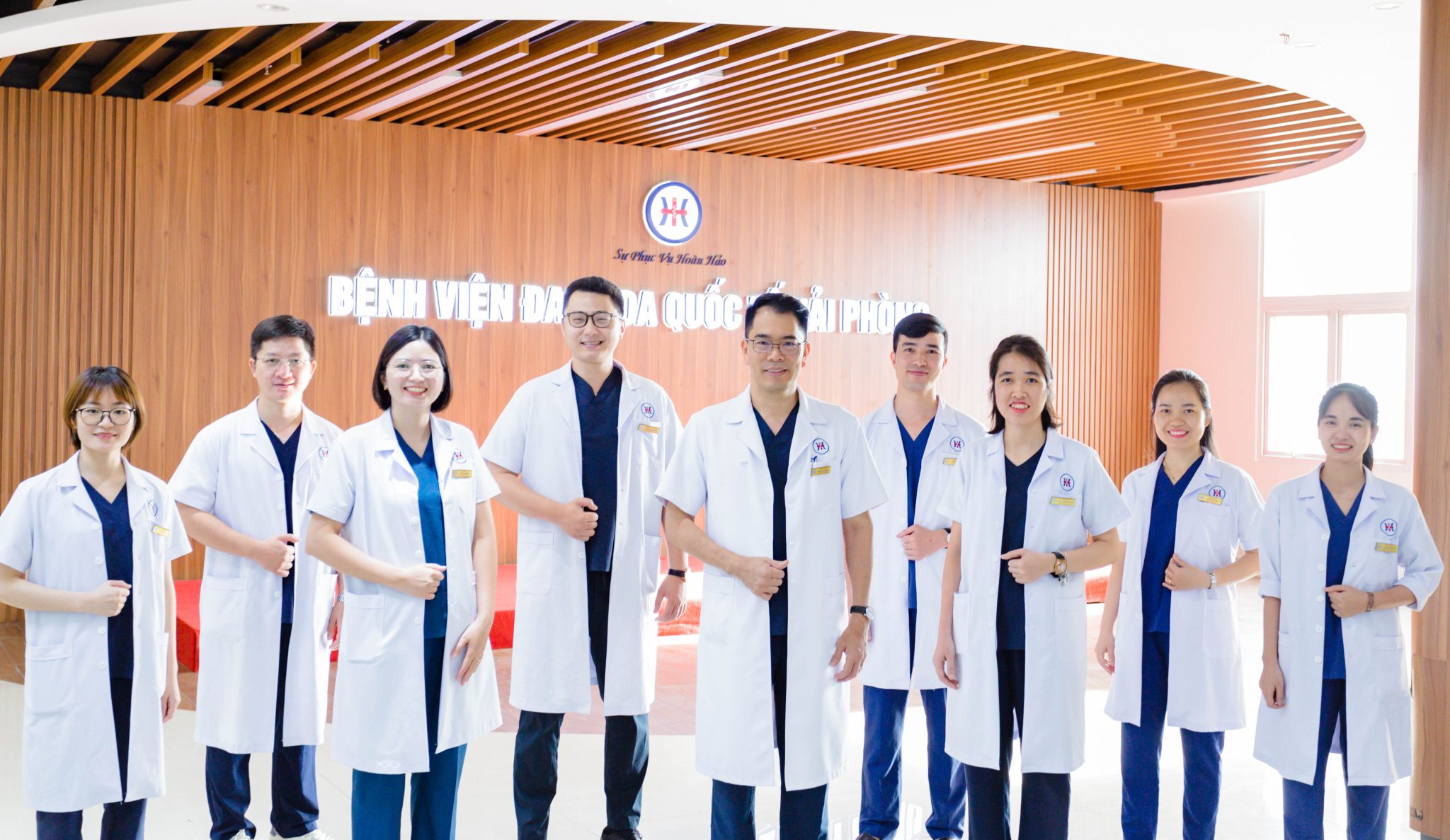
Our Team
The Department of Musculoskeletal Medicine, Nephrology and Allergy & Clinical Immunology brings together a team of highly qualified and experienced physicians and nurses specializing in musculoskeletal medicine, nephrology, and allergy & clinical immunology. The department continuously adopts modern medical knowledge and advanced treatment approaches to improve the quality of patient care.
Our specialists graduated from leading medical universities in Vietnam, including Hanoi Medical University and Hai Phong University of Medicine and Pharmacy. Physicians regularly participate in advanced training programs and continuing medical education at leading referral hospitals such as Bach Mai Hospital, 108 Military Central Hospital, and Hanoi Medical University Hospital, as well as international training programs, ensuring that the department remains up to date with the latest advances in internal medicine.
The department consists of 17 healthcare professionals, including 7 physicians (1 PhD in Medicine, 5 Specialist Level I physicians, and 1 specialist-oriented physician) and 10 nurses with university and college qualifications.
The department is led by Dr. Hoang Van Dung, MD, PhD, Medical Resident, Director of the Internal Medicine Division at Hai Phong International General Hospital. Dr. Dung is a senior specialist in musculoskeletal medicine and worked at the Department of Rheumatology, Bach Mai Hospital from 2005 to 2020. He has also supervised master’s theses and medical residency training and lectured at Hanoi Medical University and other medical universities and colleges.
Hai Phong International General Hospital, including this department, regularly collaborates with leading specialists from Bach Mai Hospital and 108 Military Central Hospital, who visit the hospital weekly for specialized consultations, clinical collaboration, and technology transfer to optimize patient care.
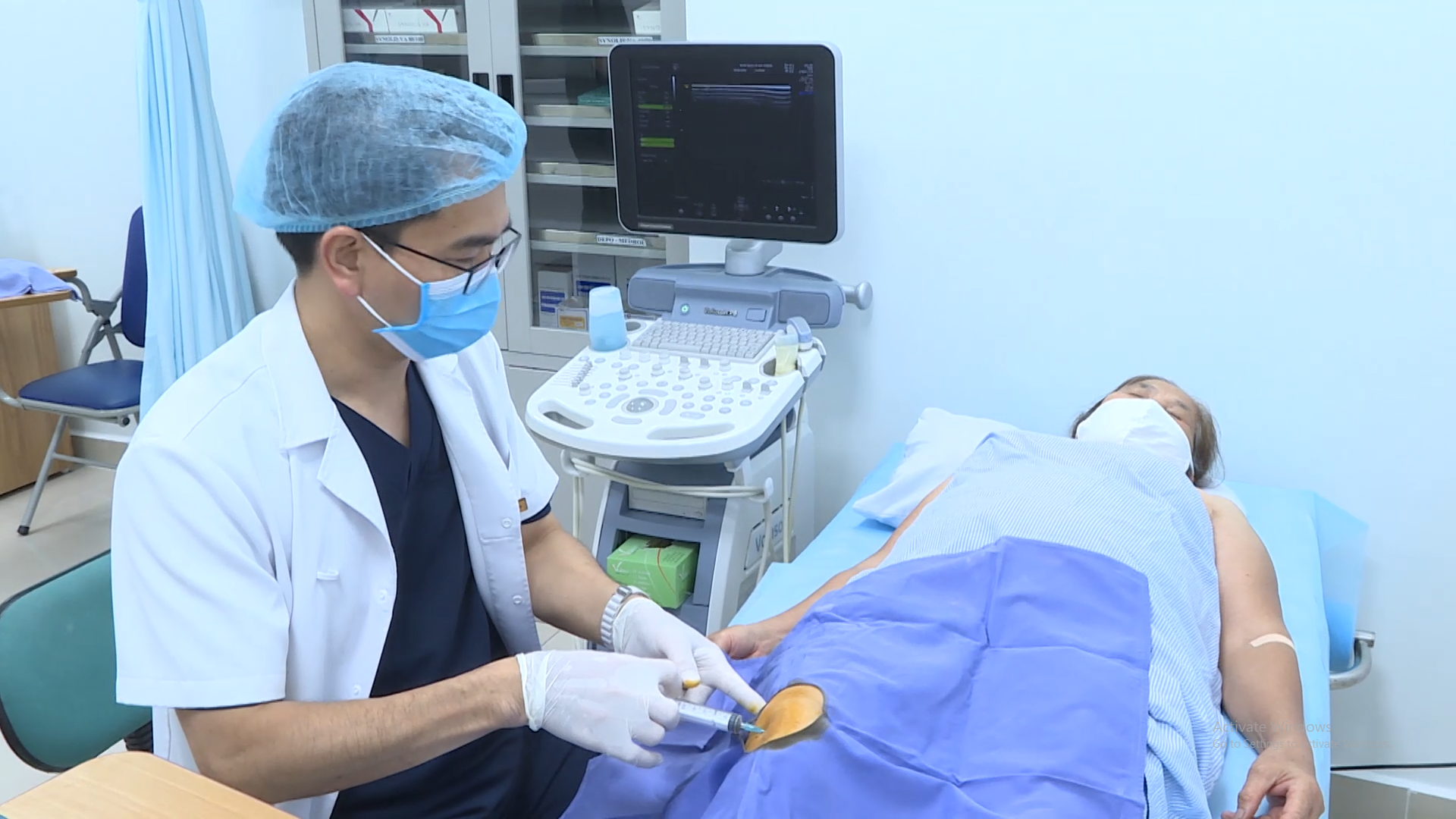
The department has 40 inpatient beds, two Musculoskeletal Medicine outpatient clinics, one Nephrology outpatient clinic, and one Allergy & Clinical Immunology outpatient clinic located within the hospital’s Outpatient Department. It also features two procedure rooms that meet Ministry of Health sterilization standards and are equipped with modern technology, including a platelet-rich plasma (PRP) preparation system and musculoskeletal ultrasound for ultrasound-guided procedures.
Patients also benefit from the hospital’s multidisciplinary services and advanced medical equipment, including 1.5 Tesla and 3.0 Tesla MRI systems, a 256-slice CT scanner, endoscopic ultrasound (EUS), and a comprehensive laboratory system accredited to ISO 15189 standards.
With a patient-centered approach, the department is committed to providing high-quality medical care and achieving the highest level of patient satisfaction, striving to remain a trusted healthcare destination for the people of Hai Phong and the Northern Coastal Region.
Mission
Musculoskeletal Medicine
Diagnosis and treatment of autoimmune inflammatory arthritis, including rheumatoid arthritis, ankylosing spondylitis, psoriatic arthritis, reactive arthritis, and Still’s disease.
Diagnosis and treatment of crystal-induced arthritis, including gout and pseudogout.
Diagnosis and treatment of systemic autoimmune connective tissue diseases, including systemic lupus erythematosus, polymyositis, dermatomyositis, and systemic sclerosis.
Diagnosis and treatment of osteoarthritis, degenerative spine disease, sciatica, and herniated discs.
Diagnosis and treatment of osteoporosis, including severe osteoporosis with vertebral compression fractures and hip fractures.
Diagnosis and treatment of periarticular soft tissue disorders, including frozen shoulder, tendinitis, enthesitis, De Quervain’s tenosynovitis, trigger finger, Achilles tendinitis, tennis elbow, and carpal tunnel syndrome.
Diagnosis and treatment of acute and chronic musculoskeletal pain, including neck and shoulder syndrome, low back pain, and sciatica.
Diagnosis and treatment of infectious arthritis, infectious spondylodiscitis, and soft tissue infections.
Collaboration with the Departments of Rehabilitation and Orthopedic Surgery to provide surgical treatment and postoperative rehabilitation when indicated.
Nephrology
Diagnosis and treatment of kidney and urinary tract infections, including urethritis, acute and chronic cystitis, and acute and chronic pyelonephritis.
Diagnosis and treatment of urinary stone disease, including kidney, ureteral, bladder, and urethral stones.
Diagnosis and treatment of glomerular diseases, including acute and chronic glomerulonephritis and lupus nephritis.
Diagnosis and treatment of kidney diseases, including nephrotic syndrome, acute kidney injury, acute exacerbations of chronic kidney disease, conservatively managed chronic kidney disease, diabetic kidney disease, hypertensive nephropathy, and polycystic kidney disease.
Diagnosis and treatment of prostate disorders, including benign prostatic hyperplasia (BPH), prostatitis, prostatic abscess, and early screening for prostate cancer.
Allergy & Clinical Immunology
Diagnosis and treatment of acute and chronic urticaria and angioedema.
Diagnosis and treatment of drug and food allergies.
Diagnosis and treatment of atopic dermatitis and allergic vasculitis.
Diagnosis and treatment of anaphylaxis.
Diagnosis and treatment of autoimmune diseases.
Techniques
Modern Diagnostic Techniques
– Application of immunological tests to detect autoantibodies for the diagnosis and monitoring of autoimmune rheumatic diseases, including RF, anti-CCP, antinuclear antibodies (ANA), anti-dsDNA antibodies, antiphospholipid antibodies, and extended autoantibody panels.
– HLA-B27 genetic testing for the diagnosis of seronegative spondyloarthritis.
– Bone mineral density measurement using dual-energy X-ray absorptiometry (DXA) for the diagnosis of osteoporosis.
– Electromyography (EMG) and nerve conduction studies for the diagnosis of neuromuscular disorders.
– Ultrasound-guided muscle biopsy using a biopsy gun for the pathological diagnosis of muscle and soft tissue diseases.
– CT-guided biopsy of bone, vertebrae, and intervertebral discs for the pathological diagnosis of suspected tuberculosis, inflammatory diseases, and malignancies.
– Advanced diagnostic imaging, including ultrasound, CT, MRI, and dual-energy CT (DECT).
– Application of immunological testing to detect autoantibodies for the diagnosis and monitoring of autoimmune kidney diseases, including systemic lupus erythematosus and ANCA-associated vasculitis.
Advanced Treatment Techniques
– Autologous platelet-rich plasma (PRP) therapy for the treatment of osteoarthritis of the knee, hip, and shoulder, as well as tendon disorders and articular cartilage injuries, performed with or without ultrasound guidance.
– Joint aspiration, intra-articular injections, tendon insertion injections, epidural injections, and shoulder joint hydrodilatation, performed conventionally or under ultrasound or CT guidance using anti-inflammatory medications, analgesics, and viscosupplementation agents such as hyaluronic acid.
– Osteoporosis treatment with Zoledronic Acid (Aclasta® 5 mg), administered once yearly for patients with or without osteoporotic fractures.
– Cyclophosphamide (Endoxan) infusion therapy for organ involvement such as glomerulonephritis, vasculitis, interstitial lung disease, and polymyositis associated with systemic autoimmune diseases, including systemic lupus erythematosus, systemic sclerosis with interstitial lung disease, rheumatoid arthritis, polymyositis, dermatomyositis, and Still’s disease.
– Conventional disease-modifying immunosuppressive therapy for inflammatory arthritis and autoimmune diseases using Methotrexate, Leflunomide, Sulfasalazine, Hydroxychloroquine, Mycophenolate, Cyclophosphamide, Azathioprine, and other immunomodulatory agents.
– Biological therapy for autoimmune inflammatory arthritis and systemic autoimmune diseases, including rheumatoid arthritis, ankylosing spondylitis, psoriatic arthritis, and juvenile idiopathic arthritis, using biologic agents such as Infliximab (Remicade®), Adalimumab (Humira®), Tocilizumab (Actemra®), and Secukinumab.
– Appropriate, effective, and safe antibiotic therapy for infections involving the musculoskeletal system, kidneys, urinary tract, and other organs.
– Close collaboration with the Department of Orthopedic Surgery for arthroscopic knee and shoulder surgery, vertebroplasty with bone cement, spinal fixation surgery, and hip and knee replacement.
– Close collaboration with the Department of Urology and Andrology in the treatment of urinary stone disease, cystoscopy, laparoscopic urological surgery, percutaneous nephrolithotomy, and benign prostatic hyperplasia.
– Close collaboration with the Department of Rehabilitation to restore and improve musculoskeletal function.
– Close collaboration with the Department of Urology and Andrology in the treatment of urinary stone disease, including cystoscopy, laparoscopic surgery, extracorporeal shock wave lithotripsy (ESWL), percutaneous nephrolithotomy (PCNL), retrograde intrarenal surgery (RIRS), and treatment of benign prostatic hyperplasia.
– Close collaboration with the Department of Hemodialysis in the management of acute kidney injury, acute exacerbations of chronic kidney disease, and end-stage kidney disease.
Related posts